


High-Protein Powder Manufacturing for Sports and Active Nutrition
Introduction
The sports nutrition and active lifestyle industry is experiencing growing demand for convenient, protein-rich nutritional products. Fitness enthusiasts, athletes, gym members, and health-conscious consumers are increasingly interested in products that help them meet their daily protein requirements. As a result, high-protein powder manufacturing has become an important opportunity for nutraceutical companies, sports nutrition brands, and supplement startups.
Protein powders are available in different formulations, including whey protein, plant-based protein, protein blends, and specialized nutritional combinations. Brands can develop products for different consumer preferences by selecting suitable protein sources, flavours, serving sizes, and packaging formats.
For businesses planning to enter this category, choosing experienced high-protein powder manufacturers in India is an important step. A reliable manufacturing partner can support ingredient selection, formulation development, production planning, quality testing, and packaging, depending on its technical capabilities.
This article explores high-protein powder manufacturing, popular protein ingredients, the manufacturing process, quality requirements, private-label opportunities, and important considerations for sports and active nutrition brands.
What Is High-Protein Powder Manufacturing?
High-protein powder manufacturing involves developing and producing powdered nutritional products that provide a concentrated source of protein. These products may contain whey, milk proteins, plant-based proteins, or combinations of different protein ingredients.
Depending on the target market, formulations may also include carbohydrates, fats, vitamins, minerals, flavouring agents, sweeteners, and other permitted ingredients.
Protein powders are commonly used by people who want a convenient way to increase their dietary protein intake. They can be incorporated into different nutritional routines, including sports nutrition, fitness, and general active lifestyle products.
The final formulation depends on the intended serving size, protein content, ingredient compatibility, taste, solubility, and applicable regulatory requirements.
Growing Demand for High-Protein Sports Nutrition Products
Protein has become a major category in the sports nutrition market. Consumers are exploring protein products for different reasons, including fitness goals, active lifestyles, and convenient nutrition.
Increasing Fitness Awareness
More consumers are participating in gym workouts, strength training, recreational sports, and other physical activities. This creates opportunities for brands offering convenient protein products that complement balanced diets and exercise routines.
Demand for Convenient Nutrition
Busy professionals and active consumers often look for products that are easy to prepare and carry. Protein powders provide a practical format that can be mixed with water, milk, or other suitable beverages.
Growth of Plant-Based Nutrition
Consumer interest in vegetarian and vegan nutrition has encouraged brands to explore protein sources such as pea, soy, rice, and other suitable plant proteins.
Expansion of Private-Label Sports Nutrition Brands
Startups, D2C businesses, and established wellness companies are exploring private-label manufacturing to launch their own sports nutrition products. Third-party manufacturers can help these businesses access production facilities without building their own manufacturing infrastructure.
Types of High-Protein Powder Products
Choosing the right protein source is one of the most important decisions during product development.
Whey Protein Powder
Whey protein is derived from milk and is widely used in sports nutrition products. Depending on the processing method, brands may explore different whey protein ingredients.
Common options include:
- Whey Protein Concentrate: A protein ingredient that also contains varying amounts of carbohydrates and fats.
- Whey Protein Isolate: A more concentrated whey protein ingredient with lower levels of lactose and fat than many concentrate products.
- Whey Protein Hydrolysate: Protein that has undergone partial enzymatic hydrolysis.
Each ingredient has different nutritional, processing, taste, and cost characteristics. Manufacturers should select the appropriate option according to the intended product specifications.
Plant-Based Protein Powder
Plant-based protein powders are designed for consumers who prefer dairy-free or vegan nutritional products.
Common protein sources include pea protein, soy protein, rice protein, and other suitable plant-derived ingredients.
Brands may also explore blended plant protein formulations to achieve a desired nutritional profile and sensory experience. Ingredient compatibility, allergen declarations, texture, and flavour should be considered during development.
Protein Blend Formulations
Protein blends combine two or more protein sources in a single formulation. These products may use whey, milk protein, or plant-based ingredients depending on the target consumer.
A well-developed blend should have clearly defined ingredient quantities and nutritional specifications. Brands should avoid making unsupported claims about superior absorption or performance.
High-Protein Meal and Nutrition Powders
Some companies develop complete nutritional powder products that contain protein alongside carbohydrates, fats, vitamins, minerals, and other nutrients.
These products require careful formulation and regulatory classification. An ordinary protein powder should not be marketed as a complete meal replacement unless it meets the relevant nutritional and regulatory requirements.
Important Ingredients Used in High-Protein Powder Manufacturing
A successful protein formulation depends on selecting ingredients that meet the product’s nutritional, technical, and commercial requirements.
Protein Ingredients
The main ingredient may be whey protein concentrate, whey protein isolate, milk protein, pea protein, soy protein, rice protein, or a suitable combination.
The choice depends on protein content, dietary preferences, allergen considerations, solubility, flavour, and cost.
Flavouring Ingredients
Flavour is an important part of consumer acceptance. Common product concepts include chocolate, vanilla, strawberry, coffee, and other flavour profiles.
Flavouring systems should be evaluated for compatibility with the protein source and overall formulation.
Sweeteners
Depending on the product positioning and regulatory requirements, manufacturers may evaluate suitable sweeteners to achieve the desired taste.
Brands should ensure that sweetener selection, quantities, and label declarations comply with applicable requirements.
Functional and Nutritional Ingredients
Some formulations may include selected vitamins, minerals, or other permitted nutritional ingredients. These additions should serve a clear product purpose and be evaluated for stability, compatibility, and regulatory compliance.
High-Protein Powder Manufacturing Process
Manufacturing processes vary according to the protein source, formula, production equipment, and finished-product specifications. A typical workflow includes several important stages.
1. Product Concept and Formulation Planning
The process begins with defining the product concept. Brands should identify their target customers, preferred protein source, intended protein content, flavour, serving size, packaging, and target price.
Manufacturers can then assess technical feasibility and recommend suitable formulation options.
2. Raw Material Selection
Protein ingredients and other raw materials should be sourced from qualified suppliers. Their specifications, quality documentation, nutritional characteristics, and suitability for the intended product must be evaluated.
Allergen information is especially important when working with dairy, soy, or other allergenic ingredients.
3. Ingredient Weighing and Preparation
Approved raw materials are weighed according to the finalized formulation. Controlled weighing and material identification help ensure that the correct ingredients and quantities are used.
Production records should maintain traceability throughout the process.
4. Powder Blending
Ingredients are mixed using appropriate blending equipment to achieve a consistent powder mixture.
Blending parameters depend on ingredient characteristics, batch size, particle size, and equipment design. Process controls are important to help maintain uniformity throughout the batch.
5. Quality Checks During Production
In-process checks may include appearance, blend uniformity, weight verification, and other tests based on the product specifications.
These checks help identify potential production issues before the finished product moves to packaging.
6. Filling and Packaging
The finished protein powder may be packed in jars, tubs, pouches, or single-serving sachets.
Packaging selection should consider moisture protection, product handling, storage conditions, filling accuracy, and consumer convenience.
7. Finished Product Testing and Release
Finished products should undergo appropriate quality testing before release. Testing may include protein content, microbiological quality, moisture, and other relevant specifications.
Only batches meeting approved requirements should be released for distribution.
Importance of Quality Control in Protein Powder Manufacturing
Quality control is essential for maintaining product consistency, nutritional accuracy, and consumer confidence.
Protein Content Verification
The declared protein content should be supported by appropriate testing and reliable formulation records. Brands should ensure that nutritional information accurately reflects the finished product.
Microbiological Testing
Protein powders require suitable microbiological controls based on their ingredients, processing conditions, and applicable standards.
Moisture Control
Moisture can affect powder flow, product stability, and the risk of quality deterioration. Appropriate processing and packaging controls help protect the finished product.
Blend Uniformity
Consistent blending helps ensure that ingredients are distributed according to the approved formulation. This is particularly important for products containing multiple nutritional components.
Stability Testing
Stability studies help determine how the product performs under defined storage conditions. They can support decisions about shelf life, packaging, and storage instructions.
Supplier Qualification
Manufacturers should evaluate raw material suppliers and maintain appropriate documentation for ingredient quality and traceability.
Private Label High-Protein Powder Manufacturing
Private-label manufacturing allows businesses to launch protein powder products under their own brand names while outsourcing production to a manufacturing partner.
This model can be useful for sports nutrition startups, gym-focused businesses, D2C companies, fitness influencers, and established supplement brands.
Depending on the manufacturer’s capabilities, private-label services may include:
- Whey protein powder formulation.
- Plant-based protein formulation.
- Custom protein blend development.
- Flavour selection and optimization.
- Ingredient sourcing and evaluation.
- Powder blending and packaging.
- Label and artwork coordination.
- Quality testing and batch documentation.
Brands should confirm which services are actually available before finalizing a manufacturing agreement.
Custom Protein Powder Formulation for Sports Nutrition Brands
Custom formulation allows a business to develop a product based on its target market and commercial requirements.
For example, a brand targeting gym users may prioritize a particular protein source and flavour profile. A vegan nutrition brand may prefer plant-based ingredients, while a general wellness company may explore a broader nutritional powder concept.
Custom development usually involves reviewing the protein source, serving size, ingredient quantities, flavour, texture, solubility, nutritional specifications, and packaging.
Prototype testing is important because protein sources can behave differently during mixing and storage. The final formulation should be evaluated for both nutritional quality and consumer experience.
Packaging Options for High-Protein Powder Products
Packaging plays an important role in protecting protein powder and presenting the product to consumers.
Protein Powder Jars and Tubs
Jars and tubs are widely used for retail protein products. They can provide convenient storage and allow brands to display product information clearly.
Protein Powder Pouches
Pouches can offer flexible packaging options and may be suitable for different product sizes. Barrier properties should be evaluated to protect the powder from moisture and other relevant environmental factors.
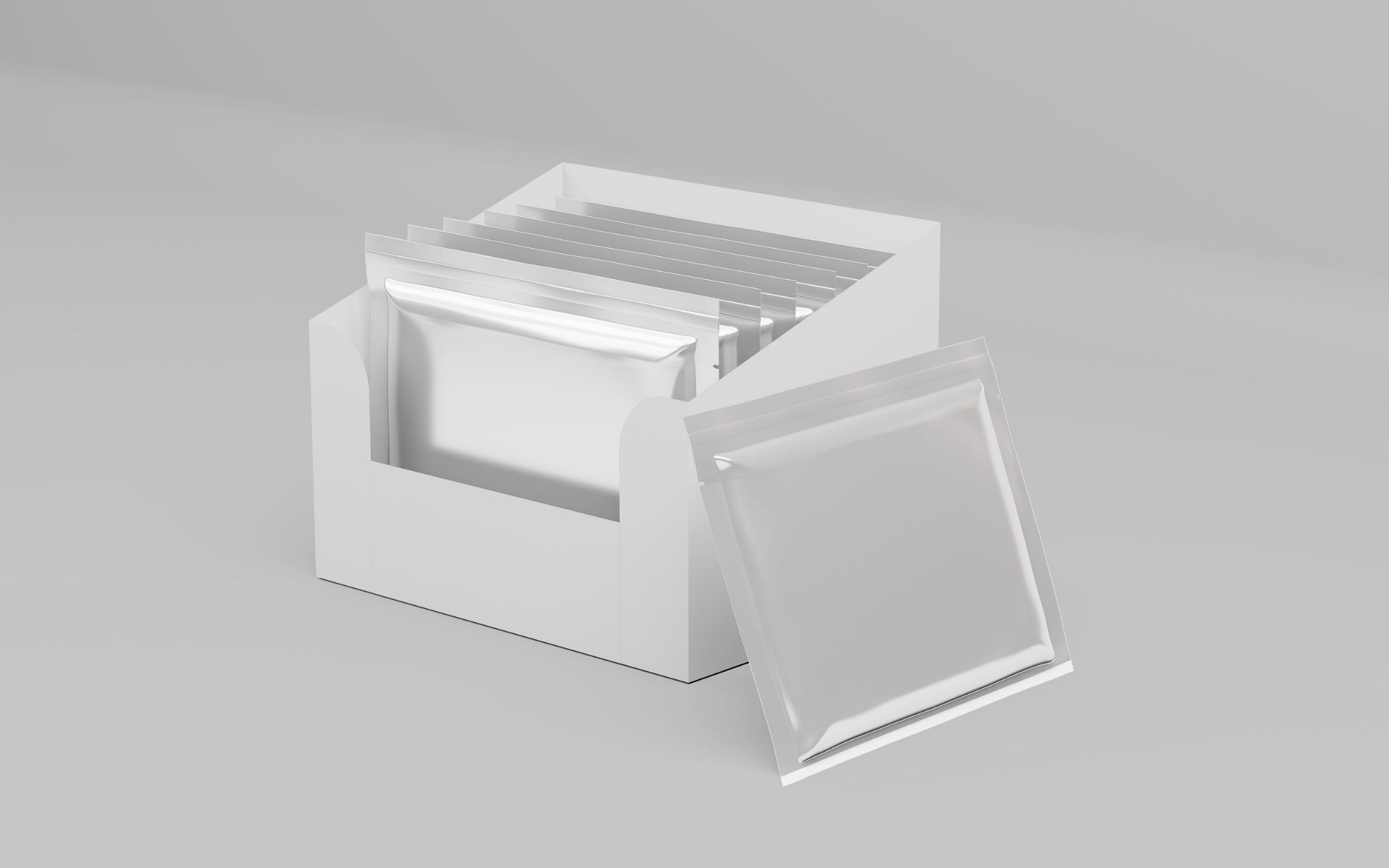
Single-Serving Protein Sachets
Sachets provide portable portions for consumers who want to carry protein powder while travelling, working, or exercising.
Brands should consider filling accuracy, packaging strength, serving size, and product protection when choosing a sachet format.
How to Choose High-Protein Powder Manufacturers in India
Selecting a suitable manufacturing partner is an important step in launching a reliable protein product.
Evaluate Manufacturing Capabilities
Check whether the manufacturer has experience with the specific protein source and product format you require. General powder manufacturing experience does not automatically mean expertise in every type of protein formulation.
Review Quality Systems
Ask about raw material testing, blending controls, finished-product testing, batch documentation, and supplier qualification.
Review relevant facility licences and certifications and verify their scope and validity.
Understand Minimum Order Quantities
Minimum order quantities depend on formulation, ingredients, packaging, and production requirements. Startups should request clear information about minimum batch sizes, development charges, and repeat-order terms.
Compare Formulation and Packaging Support
Discuss whether the manufacturer can assist with custom flavours, ingredient selection, packaging coordination, and product specifications.
Review Commercial Agreements
The manufacturing agreement should clarify pricing, production timelines, formula ownership, quality responsibilities, confidentiality, product complaints, and recall procedures.
Regulatory Considerations for Protein Powder Manufacturing in India
Protein powders marketed in India must comply with the regulations applicable to their product category, ingredients, manufacturing activities, and labelling.
Brands should review relevant Food Safety and Standards Authority of India (FSSAI) requirements, including applicable standards for health supplements, nutraceuticals, and other relevant food categories.
Product labels should accurately declare ingredients, nutritional information, serving instructions, allergens, batch details, and other mandatory particulars.
Marketing claims should be supported by appropriate evidence and comply with applicable rules. Protein powders should not be promoted as medicines or as guaranteed treatments for health conditions. Claims about muscle growth, recovery, or performance must be carefully reviewed for regulatory compliance and scientific support.
Manufacturers and brand owners should establish their respective compliance responsibilities before production begins.
Opportunities for Sports and Active Nutrition Brands
High-protein powder manufacturing offers opportunities for companies targeting different consumer segments.
Fitness brands can explore whey-based formulations, while vegan nutrition businesses may focus on plant protein products. General wellness companies can investigate convenient protein blends designed to complement everyday dietary requirements.
There may also be opportunities for flavoured protein powders, single-serving sachets, and customized formulations for different retail channels.
However, successful product development requires more than a high protein number on the label. Taste, solubility, ingredient transparency, quality, pricing, and responsible marketing all influence consumer acceptance.
Fermentis Life Sciences for Nutraceutical Manufacturing
Fermentis Life Sciences provides information about its nutraceutical and supplement manufacturing services through its official website. Businesses interested in developing protein and other nutritional products can review its manufacturing portfolio and contact the company to discuss their requirements.
Brands planning a high-protein powder project should directly confirm the availability of their preferred protein sources, custom formulation options, production capacity, minimum order quantities, quality testing, and packaging services.
To explore the company’s manufacturing services, visit Fermentis Life Sciences.
Future of High-Protein Powder Manufacturing
The sports and active nutrition market is likely to continue evolving as consumers explore different protein sources, flavours, and convenient product formats.
Plant-based protein, customized protein blends, single-serving packaging, and products with transparent ingredient information may remain important areas of product development.
Manufacturers that focus on formulation quality, reliable sourcing, testing, and consistent production can help brands respond to changing market requirements.
For nutraceutical businesses, the long-term opportunity lies in developing products that provide genuine nutritional value and meet consumer expectations without relying on exaggerated marketing claims.
Conclusion
High-protein powder manufacturing is an important category within the sports nutrition and nutraceutical industry. From whey protein concentrate and isolate to plant-based protein and custom blends, businesses can explore different product concepts for fitness, sports, and active nutrition markets.
Choosing the right high-protein powder manufacturers in India requires careful evaluation of ingredient quality, formulation expertise, blending processes, protein content verification, packaging, and regulatory compliance.
Whether launching a new sports nutrition brand or expanding an existing supplement portfolio, working with a suitable third-party manufacturer can help businesses plan production and develop products according to their requirements.
Frequently Asked Questions
1. What is high-protein powder manufacturing?
High-protein powder manufacturing involves selecting protein ingredients, developing a suitable formulation, blending raw materials, conducting quality checks, and packaging the finished nutritional product.
2. Which protein sources are used in high-protein powders?
Common protein sources include whey protein concentrate, whey protein isolate, milk protein, pea protein, soy protein, and rice protein. The appropriate choice depends on the product’s nutritional specifications and target consumers.
3. Can I launch my own private-label protein powder brand?
Yes, private-label manufacturing may allow businesses to launch protein powder products under their own brand names. Available services, minimum order quantities, formulation options, and packaging support vary by manufacturer.
4. What is the difference between whey and plant-based protein powder?
Whey protein is derived from milk, while plant-based protein comes from sources such as peas, soy, and rice. They differ in composition, flavour, texture, allergen considerations, and nutritional characteristics.
5. What affects the cost of protein powder manufacturing?
Costs depend on the protein source, ingredient quality, formulation complexity, flavouring, batch size, testing requirements, and packaging materials.
6. How is protein content checked in finished products?
Protein content can be evaluated using suitable laboratory testing methods. The testing approach should be appropriate for the product matrix and support the nutritional declaration.
7. Which packaging formats are available for protein powder?
Common options include tubs, jars, pouches, and single-serving sachets. The best choice depends on the target market, serving size, storage requirements, and packaging budget.
8. What should I check before selecting a protein powder manufacturer?
Review the manufacturer’s relevant production experience, ingredient sourcing, quality systems, testing procedures, facility compliance, minimum order quantities, packaging options, and commercial terms.