


Clear Protein Powder Manufacturing for Modern Sports Nutrition Companies
The sports nutrition industry is continuously evolving as consumers look for convenient, innovative, and easy-to-use protein supplements. Traditional protein powders remain popular, but modern fitness consumers are increasingly exploring alternative formats that offer a lighter drinking experience, refreshing flavours, and convenient preparation. Clear protein powder has emerged as an interesting product category for brands looking to expand their sports nutrition portfolios.
Unlike conventional creamy protein shakes, clear protein powders are designed to produce a lighter, juice-style beverage when mixed with water. These products are commonly developed using highly processed protein ingredients, particularly whey protein isolate, selected for their protein concentration and functional properties. Clear protein formulations can be developed in fruit-inspired flavours such as lemon, orange, berry, mango, and other refreshing varieties.
For supplement businesses, clear protein powder manufacturing offers an opportunity to create differentiated sports nutrition products for active consumers, gym enthusiasts, athletes, and fitness-focused customers. Choosing the right manufacturing partner is essential for developing a product with suitable protein content, taste, clarity, solubility, quality, and packaging.
What Is Clear Protein Powder?
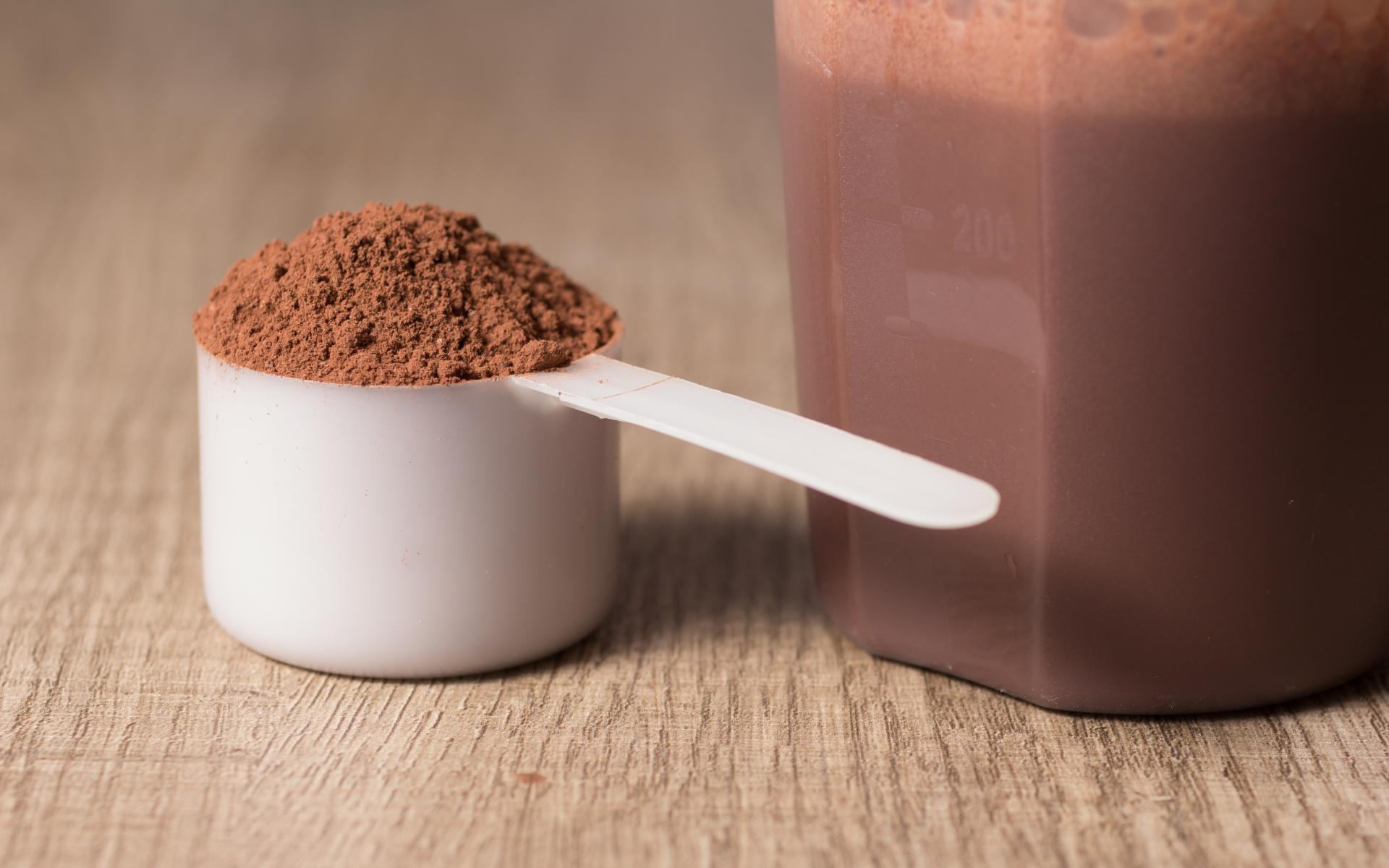
Clear protein powder is a type of protein supplement formulated to create a light, refreshing beverage rather than the thick, milkshake-like texture commonly associated with traditional protein powders.
It is generally designed to dissolve or disperse in water and deliver protein in a fruit-flavoured drink format. Many clear protein products use whey protein isolate because it can provide a relatively high protein concentration and suitable functional properties for clear beverage applications.
The final appearance and texture depend on several factors, including the protein ingredient, processing conditions, acidity, flavour system, sweeteners, and formulation design.
Clear protein powder is gaining attention among sports nutrition brands because it provides another way for consumers to include protein in their daily routines.
Why Is Clear Protein Powder Becoming Popular?
Changing consumer preferences are encouraging sports nutrition companies to explore innovative protein products. While traditional protein shakes remain an important category, some consumers prefer lighter beverages, especially when they want an alternative to thick or creamy drinks.
Several factors are supporting interest in clear protein powder products.
1. Refreshing Beverage Experience
Clear protein powders can be developed in fruit-inspired flavours that offer a different experience from chocolate, vanilla, and other traditional milkshake-style protein products.
2. Convenient Daily Protein Intake
Powdered products are easy to store, transport, and prepare. Consumers can mix a serving with water according to the product’s instructions.
3. Innovation in Sports Nutrition
Brands are increasingly looking beyond conventional whey protein products. Clear protein provides an opportunity to expand a product portfolio with a differentiated beverage-style supplement.
4. Demand for Alternative Protein Formats
Fitness consumers have different taste and texture preferences. Offering both traditional protein shakes and clear protein beverages can help brands serve a wider range of customers.
5. Premium Product Positioning
Clear whey protein products can be positioned as specialised sports nutrition supplements, depending on ingredient quality, formulation, flavour, and overall product experience.
Main Ingredients Used in Clear Protein Powder Manufacturing
Ingredient selection is one of the most important stages in developing a clear protein formulation. The selected ingredients influence protein content, beverage appearance, flavour, solubility, texture, and stability.
Whey Protein Isolate
Whey protein isolate is one of the commonly used protein sources for clear whey beverages. It is derived from milk and processed to provide a higher protein concentration than many conventional whey protein concentrates.
Its functional properties make it a suitable ingredient for certain clear beverage applications. However, not every whey protein isolate produces the same clarity or sensory characteristics. Ingredient specifications and compatibility testing are important.
Flavouring Ingredients
Flavour selection has a major impact on consumer acceptance. Fruit-inspired options are commonly considered for clear protein products.
Popular flavour concepts include:
- Lemon and lime
- Orange
- Strawberry
- Mixed berry
- Mango
- Watermelon
- Peach
- Tropical fruit
The final flavour profile should complement the protein ingredient and the acidity of the beverage.
Sweetening Systems
Sweeteners are used to achieve the desired sweetness level and balance the taste of the protein formulation.
Depending on the product concept and applicable regulations, manufacturers may consider sugar or permitted alternative sweetening ingredients. The selection should account for aftertaste, flavour compatibility, nutritional targets, and labelling requirements.
Acidity Regulators
Acidity regulators may be used to create the refreshing taste profile commonly associated with fruit beverages. However, acidity can influence protein behaviour, stability, and clarity.
Therefore, the relationship between protein ingredients and the selected acidity system should be evaluated during product development.
Other Functional Ingredients
Depending on the brand’s requirements, the formulation may include selected vitamins, minerals, or other permitted ingredients. These additions should be evaluated for compatibility, stability, safety, and regulatory compliance.
Adding more ingredients does not automatically make a product better. A focused formulation with clearly defined nutritional objectives can be more practical for manufacturing and quality control.
Clear Protein Powder vs Traditional Whey Protein Powder
Both clear protein powder and traditional whey protein powder can provide dietary protein, but they differ in their intended beverage experience and formulation requirements.
Traditional whey protein powder is generally designed to produce a creamy or milkshake-like drink. Chocolate, vanilla, and similar flavours are common in this category.
Clear whey protein powder is developed for a lighter, refreshing beverage experience. Fruit-inspired flavours and a different sensory profile are often used.
The major differences include:
- Texture: Traditional whey is often creamy, while clear protein is designed to feel lighter.
- Flavour: Traditional products commonly use dessert-style flavours, while clear products often use fruit-inspired profiles.
- Formulation: Clear beverages may require more specialised ingredient selection and formulation testing.
- Appearance: Clear protein products are developed to produce a clear or translucent drink, although the actual appearance can vary.
- Consumer preference: Some consumers prefer creamy shakes, while others prefer refreshing beverage-style protein products.
Neither format is universally better. The right product depends on the brand’s target audience and market positioning.
Important Formulation Considerations for Clear Protein Products
Developing a successful clear protein product requires more than selecting a high-protein ingredient. The formulation must balance nutritional specifications with sensory performance and manufacturing feasibility.
Protein Content Per Serving
Brands should establish the desired protein quantity per serving before beginning formulation. The final protein content must be supported by accurate formulation calculations and appropriate analytical testing.
Clarity and Appearance
The product should be evaluated for its appearance after preparation according to the recommended instructions. Some formulations may appear translucent rather than completely transparent.
The protein source, acidity, flavour ingredients, and processing conditions can all influence the final appearance.
Solubility and Dispersibility
Consumers expect powdered beverages to mix conveniently. The formulation should be assessed for dispersion, dissolution behaviour, foaming, and sediment formation under the recommended preparation conditions.
Taste and Aftertaste
Protein ingredients can influence flavour perception. A successful clear protein formulation should balance sweetness, acidity, flavour intensity, and any ingredient-related aftertaste.
Stability
The product should maintain its defined quality characteristics throughout the intended shelf life. Stability evaluation may include moisture, flavour, appearance, protein specifications, and other relevant parameters.
Packaging Compatibility
The packaging should protect the powder from moisture and environmental exposure. Packaging selection should be based on the product’s stability requirements and storage conditions.
Clear Protein Powder Manufacturing Process
A controlled manufacturing process is essential for producing consistent clear protein powder products. The exact process depends on the selected ingredients, formulation, manufacturing equipment, and finished product specifications.
1. Product Concept and Research
The process begins with defining the product concept. The brand identifies its target consumers, desired protein content, flavour preferences, serving size, nutritional specifications, and packaging requirements.
The manufacturer can then assess ingredient suitability and the feasibility of the proposed formulation.
2. Ingredient Selection and Sourcing
Suitable protein ingredients, flavours, sweeteners, acidity regulators, and other approved components are selected according to the formulation.
Raw materials should be sourced from qualified suppliers and supported by appropriate specifications and documentation.
3. Raw Material Quality Inspection
Incoming materials are evaluated according to established quality procedures. Depending on the ingredients, checks may include identity, appearance, moisture, microbiological quality, and other relevant parameters.
4. Formulation Development
The ingredients are combined in suitable proportions to achieve the intended nutritional and sensory characteristics.
For clear protein products, formulation trials are particularly important because protein solubility, beverage appearance, flavour, and acidity must work together.
5. Blending
The approved ingredients are weighed and blended using appropriate equipment and controlled procedures. Uniform blending helps distribute the protein ingredient, flavours, sweeteners, and other components consistently.
6. In-Process Quality Checks
During manufacturing, suitable checks may be performed to assess blending uniformity, appearance, moisture, and other defined parameters.
The product may also be evaluated through preparation trials to understand its behaviour when mixed with water.
7. Finished Product Testing
Finished batches should be tested against established product specifications. Depending on the formulation and applicable requirements, testing may include protein content, moisture, microbiological parameters, sensory characteristics, and other relevant quality indicators.
8. Packaging and Labelling
The approved powder is filled into the selected packaging format. Labels should accurately communicate ingredients, nutritional information, allergen declarations, preparation instructions, storage conditions, and other mandatory details.
9. Final Quality Release
Before distribution, the batch should undergo the required quality review and release procedures. Batch documentation and traceability help support consistent product management.
Private Label Clear Protein Powder Manufacturing
Private-label manufacturing allows sports nutrition companies to launch clear protein products under their own brand identity without investing in an independent manufacturing facility.
This approach can be useful for fitness startups, supplement retailers, gym brands, online nutrition businesses, distributors, and established sports nutrition companies.
Private-label clear protein powder development may include formulation selection, flavour development, packaging choices, label preparation, and production planning.
Brands can explore different product concepts, including fruit-flavoured clear whey protein, premium protein beverages, and specialised sports nutrition blends.
Before selecting a private-label manufacturer, businesses should confirm the available protein sources, customisation options, minimum order quantities, testing procedures, production timelines, packaging capabilities, and documentation requirements.
Packaging Options for Clear Protein Powder
Packaging plays an important role in protecting powdered supplements and presenting the product to consumers.
Common packaging formats include:
Plastic Jars and Tubs
Jars and tubs are widely used for sports nutrition products. They provide a convenient storage format and allow brands to create prominent product labels.
Stand-Up Pouches
Flexible pouches can be suitable for different pack sizes and product positioning. Resealable options can provide convenience after opening.
Single-Serving Sachets
Single-serving sachets are useful for travel, sampling, and customers who prefer pre-measured portions.
Bulk Packaging
Bulk packaging may be suitable for selected business-to-business requirements, depending on the manufacturer’s capabilities and the brand’s distribution model.
Packaging should be selected according to moisture protection, sealing requirements, storage conditions, transportation, and shelf-life considerations.
Quality Control in Clear Protein Powder Manufacturing
Quality assurance is essential for building consumer confidence and maintaining consistent product specifications.
Sports nutrition brands should evaluate the manufacturer’s quality systems before finalising a manufacturing partnership.
Important quality considerations include:
Protein content verification: Declared protein levels should be supported by suitable testing methods.
Raw material traceability: Ingredient sourcing and batch documentation should be maintained.
Microbiological testing: Finished products should meet applicable microbiological requirements.
Moisture control: Moisture levels should be controlled to support powder quality and stability.
Allergen management: Since whey protein is milk-derived, appropriate allergen controls and declarations are essential.
Contaminant controls: Risk-based testing should be considered for heavy metals and other relevant contaminants.
Sensory evaluation: Taste, aroma, appearance, and preparation characteristics should be assessed.
Shelf-life evaluation: Stability information should support the product’s declared shelf life.
Brands should verify relevant manufacturing licences, certifications, quality documentation, and applicable regulatory compliance rather than relying only on promotional statements.
Benefits of Clear Protein Powder for Sports Nutrition Brands
Clear protein powder offers several potential business opportunities for companies looking to expand their product portfolios.
Product Differentiation
Brands can introduce a beverage-style protein supplement alongside traditional whey and plant-based protein powders.
New Flavour Opportunities
Fruit-inspired flavours provide opportunities to develop a different range of products from conventional chocolate and vanilla protein shakes.
Multiple Consumer Segments
Clear protein products can be positioned for gym enthusiasts, active consumers, athletes, and individuals looking for convenient protein beverages.
Premium Product Development
With suitable formulation and quality controls, brands can create specialised products for premium sports nutrition markets.
Portfolio Expansion
Companies already selling protein powders can use clear protein as an additional product category to serve consumers with different taste preferences.
How to Choose the Right Clear Protein Powder Manufacturer in India
Choosing a suitable manufacturing partner is a major decision for supplement businesses. The manufacturer should understand the technical requirements of protein powder production and the specific challenges of clear beverage formulations.
Consider the following factors before selecting a manufacturing partner:
- Experience in protein powder and sports nutrition manufacturing.
- Availability of suitable whey protein ingredients.
- Formulation and flavour development capabilities.
- Understanding of solubility, clarity, and beverage stability.
- Raw material sourcing and quality procedures.
- Protein content and finished product testing arrangements.
- Packaging and labelling support.
- Batch documentation and product traceability.
- Clear information about MOQ, pricing, and production timelines.
- Applicable licences, certifications, and regulatory compliance.
Brands should request product samples and technical documentation where available. They should also confirm that the manufacturer can produce the exact clear protein formulation required.
Clear Protein Powder Manufacturing Opportunities with Fermentis Life Sciences
Fermentis Life Sciences operates in the nutraceutical and dietary supplement manufacturing sector, providing businesses with an opportunity to explore supplement manufacturing services for their product concepts.
Companies interested in developing protein-based nutritional products can visit the Fermentis Life Sciences website to learn more about its services and discuss their specific requirements.
For businesses exploring powder-based products, the Powder Manufacturers in India service page is also relevant.
Before starting a clear protein powder project, brands should contact Fermentis Life Sciences to confirm current capabilities for whey protein isolate processing, clear beverage formulation, flavour development, manufacturing quantities, testing, and packaging. These technical requirements should be discussed before finalising the product specifications or commercial agreement.
Future Trends in Clear Protein Powder Manufacturing
The sports nutrition industry continues to create opportunities for innovative protein products. Clear protein powder may benefit from several broader product development trends.
Fruit-Flavoured Protein Beverages
Brands may continue exploring refreshing flavour profiles to differentiate their products from traditional protein shakes.
Convenient Nutrition Formats
Single-serving sachets and portable packs can support consumers who want convenient options for daily protein intake.
Custom Protein Formulations
Companies may explore different protein concentrations, flavour systems, and ingredient combinations to meet specific consumer preferences.
Transparent Product Information
Consumers increasingly value clear ingredient lists, accurate nutritional declarations, and understandable product information.
Premium Sports Nutrition Products
Brands may develop specialised protein products with carefully selected ingredients, distinctive flavours, and packaging designed for premium positioning.