


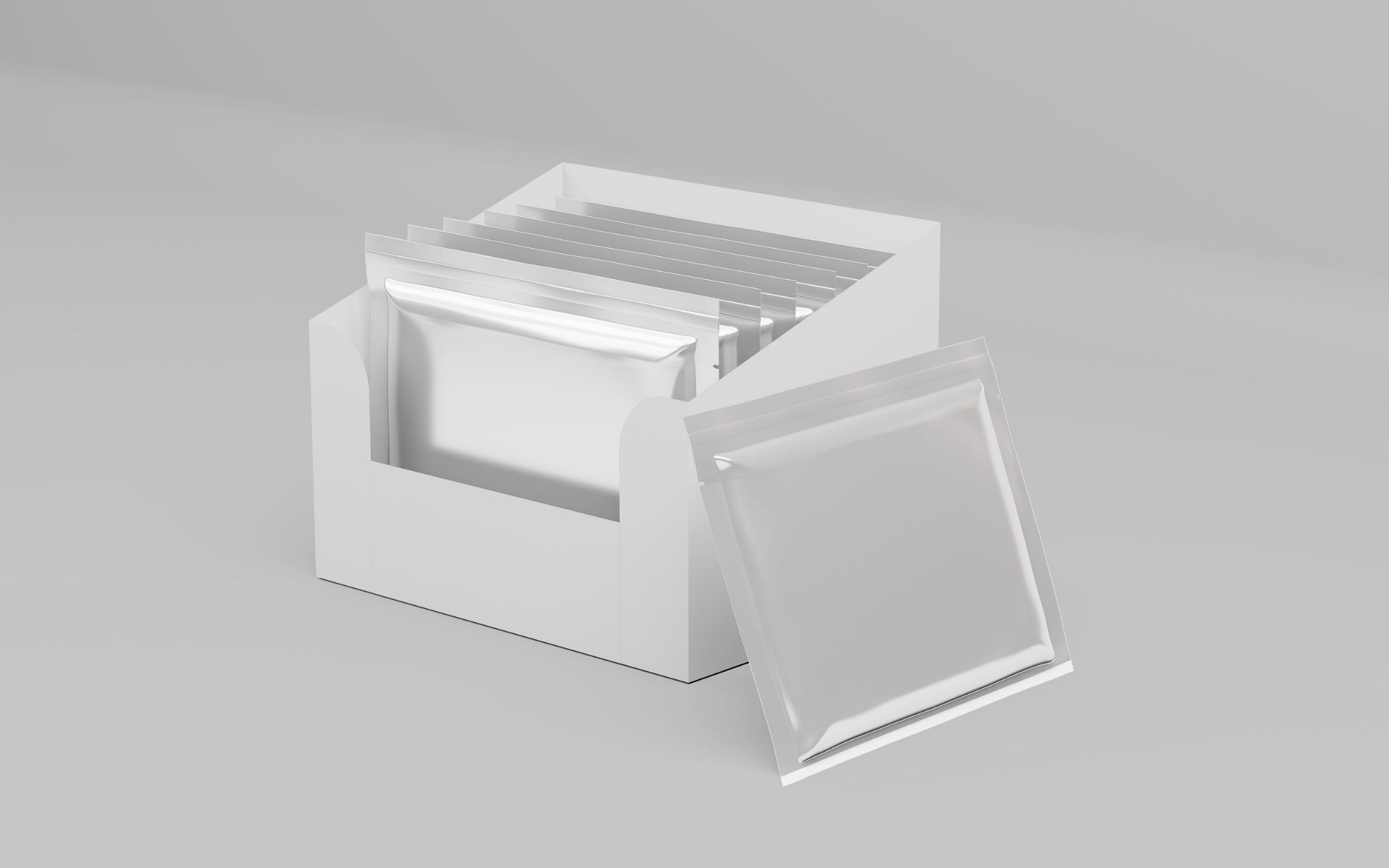
Sachet Supplement Manufacturers for Travel-Friendly Nutrition Products
The nutraceutical and dietary supplement industry is evolving as consumers increasingly prefer convenient, portable, and easy-to-use nutritional products. Busy professionals, fitness enthusiasts, frequent travellers, and health-conscious consumers often look for supplement formats that fit easily into their daily routines. This growing demand has created new opportunities for single-serving supplement packaging, particularly sachets.
Sachet supplements offer a practical way to package powders, granules, and certain other nutritional formulations in pre-measured quantities. They are lightweight, easy to carry, and suitable for different product categories, including protein powders, electrolyte mixes, vitamin supplements, herbal formulations, and sports nutrition products.
For businesses planning to launch convenient nutritional products, choosing reliable sachet supplement manufacturers is an important step. An experienced manufacturing partner can support formulation development, ingredient selection, powder processing, filling, sealing, quality testing, and packaging design. Whether a brand wants to introduce daily vitamin sachets, hydration powders, or single-serving protein supplements, sachet manufacturing provides an opportunity to develop products for modern consumer lifestyles.
What Are Sachet Supplements?
Sachet supplements are nutritional products packaged in small, sealed pouches containing a measured quantity of a formulation. They are generally designed for single-use applications, although pack sizes and serving formats can vary.
Depending on the formulation, sachets may contain powder, granules, or suitable liquid products. Powder sachets are particularly popular in the nutraceutical and sports nutrition industries because they provide a convenient way to package ingredients that consumers can mix with water or another recommended beverage.
Common sachet supplement categories include:
- Protein powder sachets.
- Electrolyte and hydration powder sachets.
- Multivitamin powder sachets.
- Vitamin C supplement sachets.
- Collagen peptide sachets.
- Herbal supplement sachets.
- Pre-workout powder sachets.
- BCAA and EAA powder sachets.
- Probiotic powder sachets.
- Meal replacement powder sachets.
The product format depends on the ingredient characteristics, serving size, packaging material, and intended method of consumption.
Why Is Demand for Sachet Supplements Growing?
Convenience has become an important consideration in the nutritional supplement market. Consumers increasingly look for products that can be stored easily, carried during travel, and consumed without measuring large quantities from a container.
Sachet packaging addresses several of these preferences.
1. Easy to Carry
Individual sachets are lightweight and can fit into handbags, backpacks, gym bags, and travel kits. This makes them suitable for consumers who want to carry supplements while travelling or working outside their homes.
2. Pre-Measured Servings
Each sachet can contain a defined serving quantity. This reduces the need for consumers to measure powder using a scoop and helps provide consistent portion sizes when used according to the label instructions.
3. Convenient Product Sampling
Single-serving sachets allow supplement brands to introduce trial packs and sample products. Consumers can experience a flavour or formulation before purchasing a larger pack.
4. Product Portfolio Expansion
Established supplement companies can introduce sachet versions of existing powder products. This creates opportunities to offer different pack sizes and consumption formats.
5. E-Commerce and Retail Opportunities
Compact packaging can be suitable for online supplement stores, retail counters, fitness outlets, and travel-focused product ranges. Brands can develop sachet multipacks for different distribution channels.
Types of Supplements Suitable for Sachet Packaging
Sachet packaging can be used across several supplement categories, depending on formulation compatibility and the packaging equipment available.
1. Protein Powder Sachets
Protein sachets are designed to provide individual servings of protein powder. They may contain whey protein, whey protein isolate, plant-based protein, or suitable protein blends.
These products can be positioned for gym enthusiasts, athletes, active professionals, and consumers seeking convenient protein supplementation.
Popular flavour concepts include chocolate, vanilla, strawberry, coffee, and fruit-inspired options for selected protein formulations.
2. Electrolyte Powder Sachets
Electrolyte sachets are commonly developed for hydration-focused product categories. Formulations may include selected electrolytes such as sodium, potassium, and magnesium, along with suitable flavouring ingredients.
Brands can develop portable hydration powder products for sports, fitness, and everyday convenience markets.
3. Vitamin and Multivitamin Sachets
Vitamin sachets provide an opportunity to package selected vitamins and minerals in powdered or granulated formats. Product concepts may include vitamin C, selected B vitamins, multivitamins, and mineral combinations.
The formulation should be designed around nutrient compatibility, dosage requirements, stability, and applicable regulations.
4. Collagen Peptide Sachets
Collagen peptide powder is another category suitable for individual serving packaging. Brands may explore flavoured or unflavoured formulations for beauty and general wellness product ranges.
The source of collagen should be clearly communicated because conventional collagen is generally animal-derived. It should not be described as vegan.
5. Herbal Supplement Sachets
Herbal powders and selected plant extract formulations can also be considered for sachet packaging. Examples may include suitable botanical ingredients used in traditional wellness and modern nutraceutical products.
Ingredient quality, identity, safety, compatibility, and permitted usage should be assessed before manufacturing.
6. Sports Nutrition Sachets
Sports nutrition brands can explore single-serving sachets for products such as pre-workout powders, BCAA, EAA, creatine, and other suitable formulations.
These products provide a portable format for consumers who want convenient access to their preferred sports nutrition supplements.
7. Meal Replacement and Nutrition Drink Sachets
Certain powdered nutrition formulations can be packed into sachets for convenient preparation. These may include protein-based nutrition drinks and other meal replacement concepts.
The formulation should be designed to meet its intended nutritional specifications and applicable product regulations.
Important Ingredients Used in Sachet Supplement Manufacturing
Ingredient selection has a major influence on product quality, nutritional value, flow properties, mixing behaviour, flavour, and shelf stability.
Active Nutritional Ingredients
Depending on the product category, active ingredients may include protein powders, vitamins, minerals, amino acids, electrolytes, probiotics, botanical extracts, or other permitted nutritional ingredients.
The quantity of each ingredient should be calculated according to the intended serving size and verified through suitable quality procedures.
Flavouring Ingredients
Flavours can improve the sensory experience of powdered sachet supplements. Popular choices include orange, lemon, mango, strawberry, chocolate, vanilla, and mixed berry.
The flavour system should complement the active ingredients and remain consistent throughout the intended shelf life.
Sweetening Ingredients
Sweeteners may be included to balance the taste of vitamins, minerals, botanical extracts, and other ingredients.
Brands can explore different sweetening systems depending on their product positioning and applicable regulations. Sugar-free and reduced-sugar claims must meet the relevant legal requirements.
Flow Agents
Some powdered formulations may require suitable processing aids to support powder flow and consistent filling. Their selection depends on ingredient characteristics and applicable regulatory requirements.
Carriers and Supporting Ingredients
Certain formulations may use appropriate carriers or supporting ingredients to improve blending, handling, and product consistency. These should be selected according to the formulation’s technical requirements.
Custom Sachet Supplement Formulation
Custom formulation gives supplement companies the flexibility to develop products around their target audience, nutritional specifications, and market positioning.
Instead of using a generic powder formulation, businesses can work with a manufacturer to determine the ingredient combination, serving quantity, flavour, and packaging specifications.
Important formulation considerations include:
Product category: Decide whether the sachet will contain protein powder, electrolytes, vitamins, minerals, herbal ingredients, or another nutritional formulation.
Serving size: Establish the quantity required in each sachet based on the product specifications.
Ingredient compatibility: Evaluate whether the selected ingredients can be blended and packaged together without affecting product quality.
Taste and flavour: Develop a flavour profile that works with the selected active ingredients.
Powder flow: Consider particle characteristics, moisture sensitivity, and flow properties to support consistent sachet filling.
Mixing performance: Evaluate how the powder disperses or dissolves when prepared according to the product instructions.
Stability: Assess moisture sensitivity, ingredient degradation, flavour changes, and other shelf-life considerations.
Packaging material: Select suitable packaging that protects the formulation from moisture, oxygen, light, and other relevant environmental factors.
A structured formulation process can help businesses move from an initial product concept to a commercially suitable supplement.
Sachet Supplement Manufacturing Process
Sachet supplement manufacturing involves several stages, from formulation development to final packaging and batch release. The exact process depends on the product format, ingredients, filling equipment, and packaging specifications.
1. Product Planning and Research
The process begins with identifying the product category, target audience, nutritional requirements, serving size, flavour preferences, and packaging design.
The manufacturer reviews the product concept and evaluates the suitability of the proposed ingredients.
2. Ingredient Sourcing
Suitable raw materials are sourced from qualified suppliers according to the formulation requirements.
Supplier documentation and ingredient specifications help support material traceability and quality management.
3. Raw Material Inspection
Incoming ingredients are checked according to established procedures. Depending on the ingredient, checks may include identity, appearance, moisture, purity, microbiological quality, and other relevant parameters.
4. Weighing and Blending
The ingredients are accurately weighed according to the approved batch formula. They are then blended using appropriate equipment and controlled manufacturing procedures.
Uniform blending is important for ensuring that each sachet contains the intended ingredient distribution.
5. In-Process Quality Checks
During processing, suitable checks may be carried out to evaluate blending uniformity, powder flow, moisture, and other formulation-specific characteristics.
6. Sachet Filling
The approved powder or granulated formulation is transferred to suitable filling equipment. The equipment dispenses the specified quantity into individual sachets.
Accurate filling helps maintain consistent serving quantities across the production batch.
7. Sealing
After filling, the sachets are sealed using suitable packaging equipment. Sealing quality is important for preventing leakage and protecting the contents from moisture and environmental exposure.
8. Finished Product Testing
Finished sachets are evaluated according to established product specifications. Testing may include fill-weight checks, nutrient content, moisture, microbiological quality, packaging integrity, and other relevant parameters.
9. Labelling and Secondary Packaging
The finished sachets may be packed individually into cartons or multipacks. Product labels and packaging information should meet applicable regulatory requirements.
10. Final Product Release
The batch undergoes the required quality review and release procedures before distribution. Manufacturing records and traceability documentation support product management.
Packaging Options for Travel-Friendly Supplement Products
Packaging is one of the most important elements of sachet supplement manufacturing. It protects the product, provides convenience, and helps establish a brand’s market identity.
Single-Serving Sachets
Single-serving sachets contain a measured quantity of powder for one use. They are suitable for protein supplements, hydration products, vitamins, and other powdered formulations.
Stick Packs
Stick packs are narrow, elongated packaging formats designed for individual servings. They can be convenient for consumers who carry supplements in pockets, bags, or travel kits.
Flat Sachets
Flat sachets provide a compact packaging format and can be designed in different sizes depending on the required fill quantity.
Multipack Cartons
Brands may package individual sachets in cartons containing multiple servings. This format can be useful for retail display, e-commerce, and organised product storage.
Custom Printed Sachets
Custom printing allows businesses to display brand identity, product information, instructions, and required declarations. Packaging artwork should be reviewed for accuracy and regulatory compliance before production.
Quality Control in Sachet Supplement Manufacturing
Quality assurance is essential for producing consistent and reliable sachet supplements. Brands should assess the manufacturer’s quality systems and testing arrangements before entering into a manufacturing agreement.
Important quality considerations include:
Raw material verification: Ingredients should meet established specifications and be supported by appropriate documentation.
Blending uniformity: Suitable procedures should help ensure consistent distribution of ingredients throughout the batch.
Fill-weight accuracy: Sachets should contain the intended quantity within defined manufacturing tolerances.
Nutritional testing: Declared nutrient quantities should be supported by suitable testing and formulation controls.
Moisture control: Moisture-sensitive powders require appropriate handling and packaging protection.
Microbiological quality: Products should meet applicable microbiological requirements.
Packaging integrity: Seals should be evaluated to help prevent leakage and environmental exposure.
Stability testing: Product quality should be assessed over the intended shelf life.
Batch traceability: Manufacturing and quality records should support traceability and product accountability.
Businesses should also verify relevant manufacturing licences, certifications, documentation, and applicable regulatory compliance.
Private Label Sachet Supplement Manufacturing
Private-label manufacturing provides an opportunity for businesses to introduce supplement products under their own brand name without investing in a complete manufacturing facility.
This model can be useful for supplement startups, fitness brands, online retailers, wellness businesses, distributors, and established nutraceutical companies.
Private-label sachet manufacturing may include formulation development, ingredient selection, flavour customisation, powder blending, sachet filling, packaging, and quality checks.
Brands can explore different product concepts, such as protein sachets, electrolyte powders, multivitamin sachets, collagen peptides, and herbal supplement packs.
Before selecting a private-label partner, businesses should confirm minimum order quantities, available sachet sizes, packaging materials, filling capabilities, testing arrangements, lead times, and documentation requirements.
Benefits of Sachet Supplements for Nutrition Brands
Sachet packaging can provide several advantages for supplement businesses looking to create convenient product formats.
Convenient Product Usage
Pre-measured servings make it easier for consumers to prepare supplements without carrying large containers or measuring scoops.
Travel-Friendly Packaging
Sachets are lightweight and portable, making them suitable for travel, gym visits, office use, and outdoor activities.
Product Sampling Opportunities
Single-serving formats allow brands to introduce trial packs and promotional samples to potential customers.
Multiple Product Categories
Sachets can be used across protein, hydration, vitamins, minerals, amino acids, and selected herbal supplement categories.
Flexible Pack Sizes
Brands can offer individual sachets, multipacks, and larger cartons to meet different consumer and distribution requirements.
Brand Differentiation
A convenient sachet format can help a brand distinguish its products from conventional large tubs and jars.
How to Choose the Right Sachet Supplement Manufacturer in India
Selecting the right manufacturing partner is essential for developing a consistent and market-ready sachet supplement.
Before finalising a manufacturer, businesses should evaluate:
- Experience in nutraceutical and powder supplement manufacturing.
- Availability of suitable blending equipment.
- Sachet filling and sealing capabilities.
- Support for different serving sizes and packaging formats.
- Raw material sourcing and quality documentation.
- Nutritional and microbiological testing arrangements.
- Moisture control and packaging protection.
- Custom formulation and flavour development support.
- Minimum order quantities and production timelines.
- Relevant manufacturing licences and regulatory compliance.
Brands should also request samples, product specifications, and supporting documents where available. It is important to confirm that the manufacturer can handle the exact formulation and sachet format required.
Sachet Supplement Manufacturing Opportunities with Fermentis Life Sciences
Fermentis Life Sciences operates in the nutraceutical and dietary supplement manufacturing sector, supporting businesses interested in developing different nutritional product concepts.
Companies exploring powder-based supplements can visit the Fermentis Life Sciences website to learn more about its services and discuss their manufacturing requirements.
The company’s Powder Manufacturers in India service page is also relevant for businesses researching powder supplement production.
For a sachet supplement project, brands should discuss the required formulation, ingredient specifications, serving size, flavour, sachet dimensions, packaging material, testing requirements, and production quantities. Contact Fermentis Life Sciences to confirm current capabilities for the exact sachet filling format, formulation, minimum order quantity, quality testing, and packaging options before finalising a project.
Future Trends in Sachet Supplement Manufacturing
The sachet supplement category offers opportunities for innovation as consumer expectations around convenience and product variety continue to evolve.
Personalised Nutrition Sachets
Brands may explore sachets designed around different nutritional preferences, such as protein intake, hydration, or daily vitamin supplementation.
Functional Hydration Powders
Electrolyte and hydration products provide opportunities for sports nutrition and active lifestyle brands looking for portable supplement formats.
Plant-Based Supplement Sachets
Vegan protein powders, plant-based blends, and selected herbal formulations can be considered for single-serving packaging.
Premium Protein Sachets
Premium whey protein isolate and plant-based protein products can be developed in convenient serving sizes for fitness-focused consumers.
Trial and Subscription Packs
Brands may use sachet multipacks for product sampling, subscription boxes, and introductory product bundles.