

High-Protein Snack & Bar Manufacturing for Sports Nutrition Companies
The Growing Demand for High-Protein Snacks in 2026
The global sports nutrition industry is evolving rapidly, and high-protein snack and bar manufacturing has become one of its most dynamic segments. Fitness enthusiasts, athletes, gym-goers, and even busy professionals are increasingly looking for convenient, protein-rich snacks that support muscle recovery, energy levels, and overall wellness. Protein bars are no longer limited to bodybuilders; they are now mainstream functional foods consumed by a wide demographic.
Sports nutrition companies are expanding their portfolios to include high-protein snack bars that offer balanced macronutrients, clean-label ingredients, and targeted functional benefits. As consumer awareness of protein intake grows, demand for custom protein bar manufacturing continues to rise across domestic and international markets.
Why Protein Bars Dominate the Sports Nutrition Market
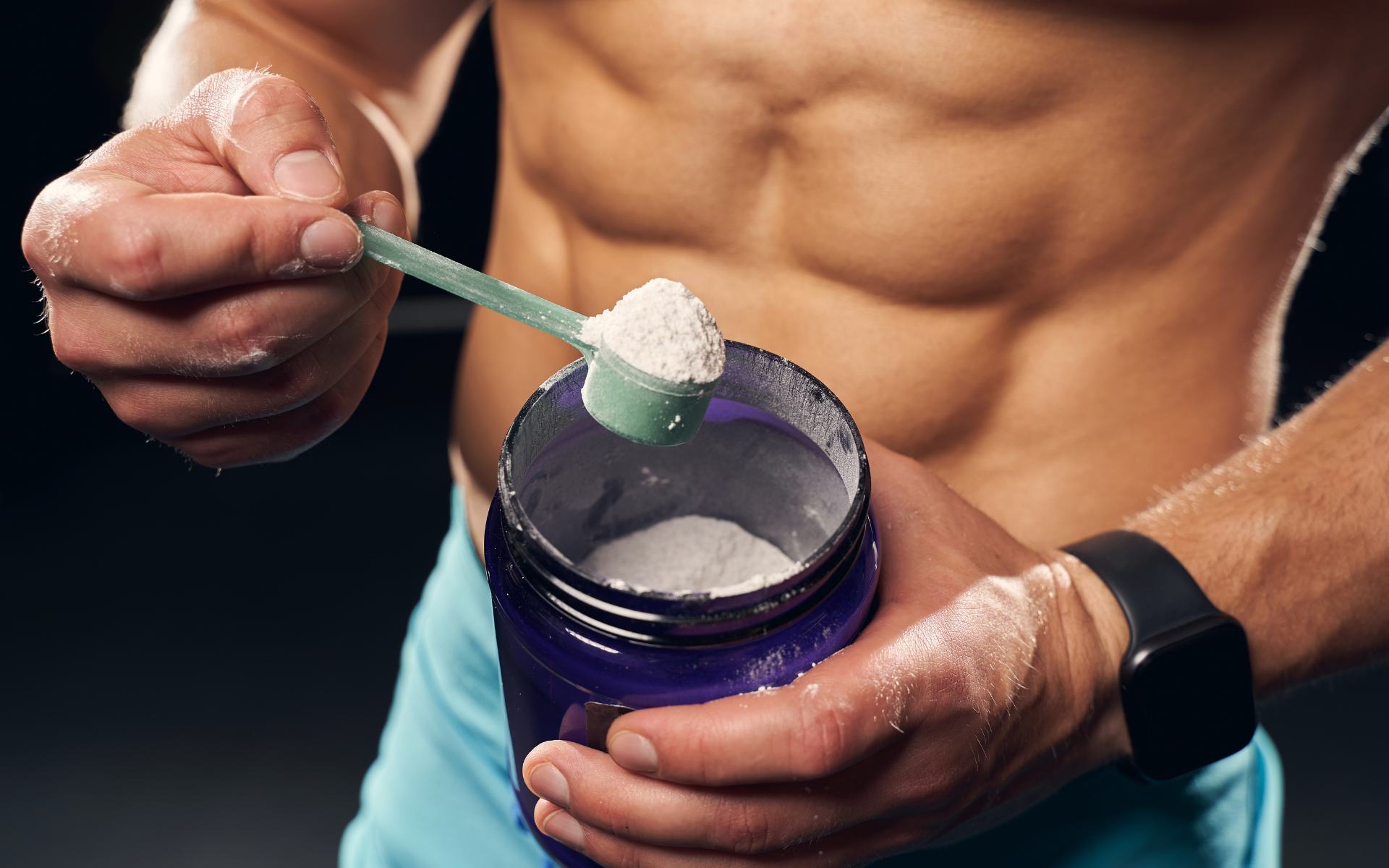
Protein bars offer unmatched convenience compared to traditional protein powders. They are portable, ready-to-eat, and require no preparation, making them ideal for pre-workout, post-workout, and on-the-go consumption. This practicality has made high-protein snack manufacturing a core segment within sports nutrition manufacturing.
Modern consumers expect more than just protein content. They look for low sugar, high fiber, added vitamins, and performance-enhancing ingredients. As a result, sports nutrition companies rely on advanced protein bar manufacturers that can deliver innovative formulations without compromising taste or texture.
The rise of D2C supplement brands has further accelerated demand for private label protein bar manufacturing, allowing companies to launch unique products quickly and efficiently.
Types of High-Protein Bars in Sports Nutrition
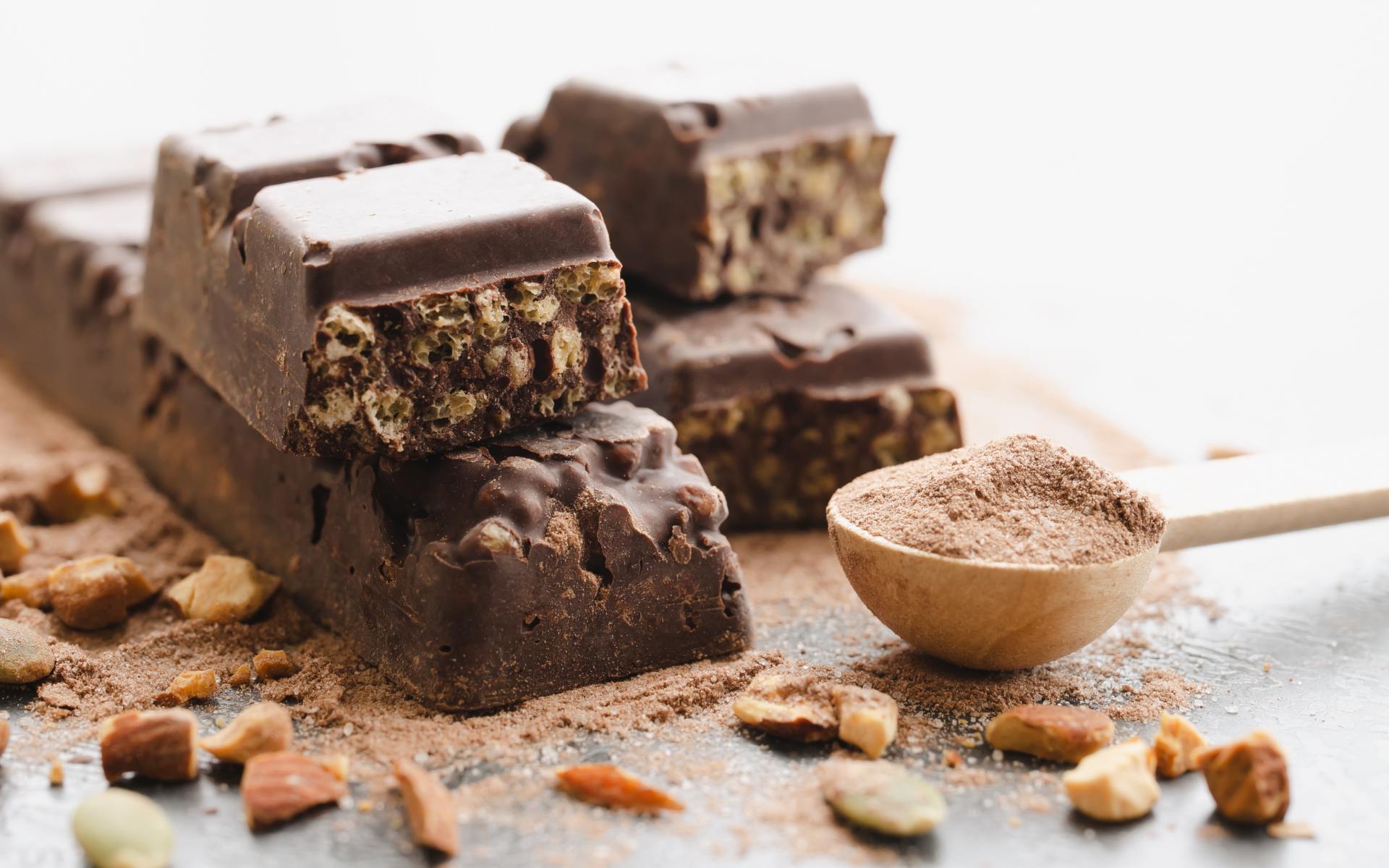
High-protein snack and bar manufacturing includes a wide variety of product categories tailored to different consumer goals. These include meal replacement bars, energy bars, recovery bars, keto protein bars, and vegan protein bars.
Meal replacement bars are designed to provide balanced nutrition with proteins, carbohydrates, fats, and fiber. Recovery bars often include whey protein, BCAAs, and electrolytes to support muscle repair after workouts. Keto protein bar manufacturing focuses on low-carb, high-fat formulations for consumers following ketogenic diets.
Vegan protein bar manufacturing has gained significant traction, using plant-based protein sources such as pea protein, brown rice protein, and soy protein. This segment appeals to consumers seeking dairy-free and allergen-friendly alternatives.
Whey, Plant-Based, and Blended Protein Formulations
One of the most critical aspects of protein bar manufacturing is selecting the right protein source. Whey protein remains a popular choice due to its high biological value and rapid absorption. Whey protein bar manufacturing is widely preferred by athletes focused on muscle gain and recovery.
Plant-based protein bar manufacturing is growing rapidly due to increased demand for vegan and sustainable options. Pea protein, rice protein, hemp protein, and chickpea protein are commonly used in plant-based formulations.
Blended protein bars combine whey and plant proteins to optimize amino acid profiles and enhance texture. Custom protein bar manufacturers often create tailored blends to achieve desired taste, chewiness, and nutritional targets.
Functional Ingredients in Modern Protein Bars
In 2026, protein bar manufacturing goes beyond basic macronutrients. Sports nutrition companies now integrate functional ingredients that support specific health benefits.
Common additions include creatine for muscle performance, collagen for joint support, probiotics for gut health, and adaptogens such as ashwagandha for stress management. Fiber-rich ingredients and prebiotics are also added to improve digestive health.
Sugar alternatives such as stevia and erythritol are used in low-sugar protein bar manufacturing to reduce calorie content while maintaining flavor. Clean-label formulations that avoid artificial preservatives and synthetic additives are increasingly preferred.
Custom High-Protein Bar Manufacturing for Private Label Brands
Private label protein bar manufacturing allows sports nutrition companies to launch products without building their own production facilities. Contract manufacturers provide end-to-end solutions, including formulation development, ingredient sourcing, production, packaging, and labeling.
Custom protein bar manufacturing enables brands to define protein percentage, calorie count, flavor profile, and target market positioning. This flexibility is essential in a competitive sports nutrition industry where differentiation drives growth.
Low MOQ protein bar manufacturing is particularly attractive for startups and emerging brands, enabling them to test market response before scaling production volumes.
Manufacturing Process and Quality Control
High-protein snack manufacturing involves precise blending, mixing, forming, and packaging processes to ensure consistent texture and nutritional accuracy. Protein bars must maintain structural integrity while delivering optimal taste and shelf stability.
Moisture control is critical in protein bar manufacturing to prevent spoilage and maintain chewiness. Advanced manufacturing facilities use automated systems to ensure uniformity across batches.
Quality control measures include testing for protein content, microbial safety, heavy metals, and ingredient authenticity. Compliance with food safety standards such as GMP and FSSAI regulations strengthens product reliability and export readiness.
Clean Label and Sustainable Manufacturing Trends
Modern consumers are increasingly concerned about ingredient transparency and environmental sustainability. Clean-label protein bar manufacturing focuses on natural sweeteners, non-GMO ingredients, and minimal processing.
Sustainable sourcing of protein ingredients and eco-friendly packaging solutions are becoming important differentiators for sports nutrition companies. Recyclable wrappers and biodegradable packaging materials enhance brand appeal among environmentally conscious consumers.
Manufacturers investing in sustainable protein snack production are better positioned to meet future regulatory and consumer expectations.
Flavor Innovation and Consumer Appeal
Taste remains one of the most important factors in protein bar success. Sports nutrition companies collaborate with manufacturers to develop appealing flavors such as chocolate peanut butter, cookies and cream, salted caramel, berry blast, and tropical fruit blends.
Texture innovation is equally important. Consumers prefer soft, chewy bars without excessive dryness or hardness. Layered bars, coated protein bars, and filled protein snacks add premium value and visual appeal.
Flavor customization in high-protein snack manufacturing allows brands to cater to regional taste preferences and global markets.
Export Opportunities in Protein Bar Manufacturing
Protein snack manufacturing in India has gained international recognition due to competitive pricing and quality production standards. Many sports nutrition companies export high-protein bars to markets in the United States, Europe, the Middle East, and Southeast Asia.
Export-oriented protein bar manufacturers follow strict compliance guidelines to meet international regulatory standards. Certifications, documentation support, and labeling expertise ensure smooth entry into global markets.
With rising global demand for healthy snacking options, protein bar manufacturing presents strong export growth potential.
Market Trends Driving Growth in 2026
Several market trends are fueling growth in high-protein snack and bar manufacturing. The fitness industry continues expanding, supported by gym culture, home workouts, and social media influence. Consumers are more aware of protein intake and its role in muscle development and weight management.
The shift toward functional foods blurs the line between supplements and snacks. Protein bars are now marketed as convenient health solutions rather than just sports products.
The rise of e-commerce and D2C supplement brands further accelerates demand for private label protein bar manufacturing, enabling companies to reach consumers directly.
The Future of High-Protein Snack Manufacturing
The future of high-protein snack and bar manufacturing looks promising. Innovations in plant-based proteins, sugar alternatives, and functional ingredients will continue shaping product development.
Advanced R&D will focus on improving protein bioavailability, enhancing taste profiles, and increasing shelf life without artificial additives. Personalization and targeted nutrition will drive customized protein bar formulations for specific consumer groups.
As sports nutrition continues integrating with mainstream health and wellness trends, protein snack manufacturing will remain a high-growth segment.
Conclusion
High-protein snack and bar manufacturing for sports nutrition companies is transforming the way consumers approach health and fitness. With rising demand for convenient, nutritious, and functional snacks, protein bars have become a cornerstone of the sports nutrition industry.
From whey protein bar manufacturing to plant-based and blended formulations, innovation drives market success. Custom private label protein bar manufacturing enables brands to differentiate themselves while maintaining quality and compliance standards.
In 2026 and beyond, high-protein snack manufacturing will continue expanding, fueled by evolving consumer preferences, fitness awareness, and global demand for functional nutrition solutions. Sports nutrition companies that invest in advanced manufacturing partnerships and innovative formulations will be best positioned for long-term growth in this competitive and rapidly evolving market.