

High Protein Snack Bar Manufacturer in India for Sports Nutrition Brands
Introduction: Why High Protein Snack Bars Are Dominating the Fitness Market
The sports nutrition industry is expanding at an unstoppable pace, driven by increasing fitness awareness, gym culture, and demand for convenient nutrition. Consumers today are no longer limited to whey protein powders or creatine supplements. Instead, they want easy-to-carry, ready-to-eat, and high-protein foods that fit into busy lifestyles. This is why high protein snack bars have become one of the fastest-growing product categories in the global sports nutrition market.
High protein bars are no longer just for bodybuilders. They are now widely consumed by working professionals, athletes, runners, students, and health-conscious individuals who want quick energy and protein intake without cooking. This massive demand has created a strong opportunity for brands to launch protein bar products under private label or contract manufacturing.
A high protein snack bar manufacturer in India offers sports nutrition brands an excellent advantage through cost-effective production, high-quality ingredients, advanced food processing technology, and export-ready compliance. India is quickly becoming a global hub for protein bar manufacturing, supporting both domestic and international brands with innovative formulations and scalable manufacturing solutions.
This blog explores the growing protein bar market, manufacturing process, formulation trends, quality standards, and why India is a top destination for sports nutrition brands looking to produce high-protein snack bars.
The Rising Demand for High Protein Snack Bars in Sports Nutrition
The demand for high protein snack bars is growing due to changing consumer habits. People today want nutrition that is fast, portable, and effective. Protein bars offer an ideal combination of protein, carbohydrates, healthy fats, and functional ingredients, making them suitable for pre-workout, post-workout, and meal replacement purposes.
Sports nutrition consumers are increasingly focused on muscle building, fat loss, endurance, and recovery. Protein bars help meet daily protein requirements while also delivering energy and satiety. Many fitness enthusiasts use protein bars as a convenient snack to avoid unhealthy junk food.
In addition, high protein bars are now widely available through e-commerce platforms, gyms, supermarkets, and health stores. Their availability and strong branding have made them a mainstream product rather than a niche fitness supplement.
For sports nutrition brands, launching protein bars is a high-profit opportunity because it attracts repeat customers and expands product portfolios beyond traditional supplement powders.
Why India Is Becoming a Hub for Protein Bar Manufacturing
India has strong expertise in food processing, nutraceutical manufacturing, and functional nutrition production. With a large manufacturing ecosystem and access to quality raw materials, India is now positioned as a reliable destination for protein bar contract manufacturing.
One of the biggest advantages is cost-effective production. Indian manufacturers can produce high-quality protein bars at competitive rates, helping brands maintain better profit margins and attractive pricing.
India also has growing availability of plant-based proteins, dairy-based proteins, nuts, seeds, and functional ingredients. This makes it easier for manufacturers to create diverse protein bar formulations.
Many manufacturers in India follow international standards such as GMP, ISO, HACCP, and FSSAI compliance. These certifications ensure food safety, hygiene, and export readiness, making Indian protein bar manufacturers suitable partners for global sports nutrition brands.
What Sports Nutrition Brands Look for in a High Protein Bar Manufacturer
Choosing the right manufacturing partner is essential for brands aiming to succeed in the competitive protein bar market. A professional high protein snack bar manufacturer in India should offer formulation expertise, scalable production capacity, quality testing, and packaging solutions.
Sports nutrition brands often demand customized formulations based on target markets. Some brands want muscle-building protein bars with high whey content, while others prefer vegan protein bars made from pea or soy protein. Many brands also want low sugar or keto-friendly formulations to match modern consumer preferences.
Manufacturers must also ensure consistency in taste, texture, and shelf life. Protein bars are highly sensitive to ingredient ratios and moisture levels, so quality control is critical.
A manufacturer that provides end-to-end support from product development to packaging and labeling becomes a long-term partner for sports nutrition brands.
Types of High Protein Snack Bars Manufactured in India
High protein bars come in multiple varieties depending on target customers and functional positioning. Indian manufacturers produce a wide range of protein snack bars for sports nutrition brands.
Some of the most popular categories include whey protein bars, plant-based protein bars, meal replacement bars, energy bars, and keto-friendly bars. Each category requires different ingredient combinations and processing methods.
Whey protein bars are popular among gym-goers because they support muscle recovery and lean muscle gain. Plant-based protein bars are growing rapidly due to vegan trends and demand for dairy-free products.
Meal replacement bars are designed for busy professionals and weight management consumers. These bars often include fiber, healthy fats, and balanced nutrients for long-lasting satiety.
Keto and low-carb protein bars are trending because of growing demand for sugar-free, low-glycemic, and diabetic-friendly sports nutrition products.
By offering multiple bar categories, Indian manufacturers help brands expand into different market segments and maximize sales opportunities.
Key Ingredients Used in High Protein Snack Bars
Protein bars are formulated using a combination of protein sources, binding agents, sweeteners, and functional nutrients. The protein content is the most important factor, and manufacturers choose protein sources based on cost, taste, and nutritional profile.
Common protein sources include whey protein concentrate, whey protein isolate, milk protein concentrate, casein protein, pea protein, soy protein, and rice protein. Many premium formulations combine multiple proteins to provide a complete amino acid profile.
Carbohydrates and binding agents are also essential to maintain texture. Ingredients like oats, dates, honey, rice syrup, maltodextrin, or fiber syrups are often used. Nuts and seeds such as almonds, peanuts, chia seeds, and flaxseeds add crunch, healthy fats, and additional nutrition.
Sweeteners are another major focus. Modern consumers prefer low sugar protein bars, so manufacturers increasingly use stevia, monk fruit, erythritol, or natural fruit extracts.
Functional ingredients like creatine, BCAA, electrolytes, collagen, probiotics, or vitamins can also be added to create specialized sports nutrition bars.
The High Protein Snack Bar Manufacturing Process
Protein bar manufacturing involves multiple steps to ensure consistency, safety, and shelf life. The process begins with ingredient sourcing and testing. High-quality protein powders, nuts, and sweeteners must be tested for purity, microbial safety, and nutritional content.
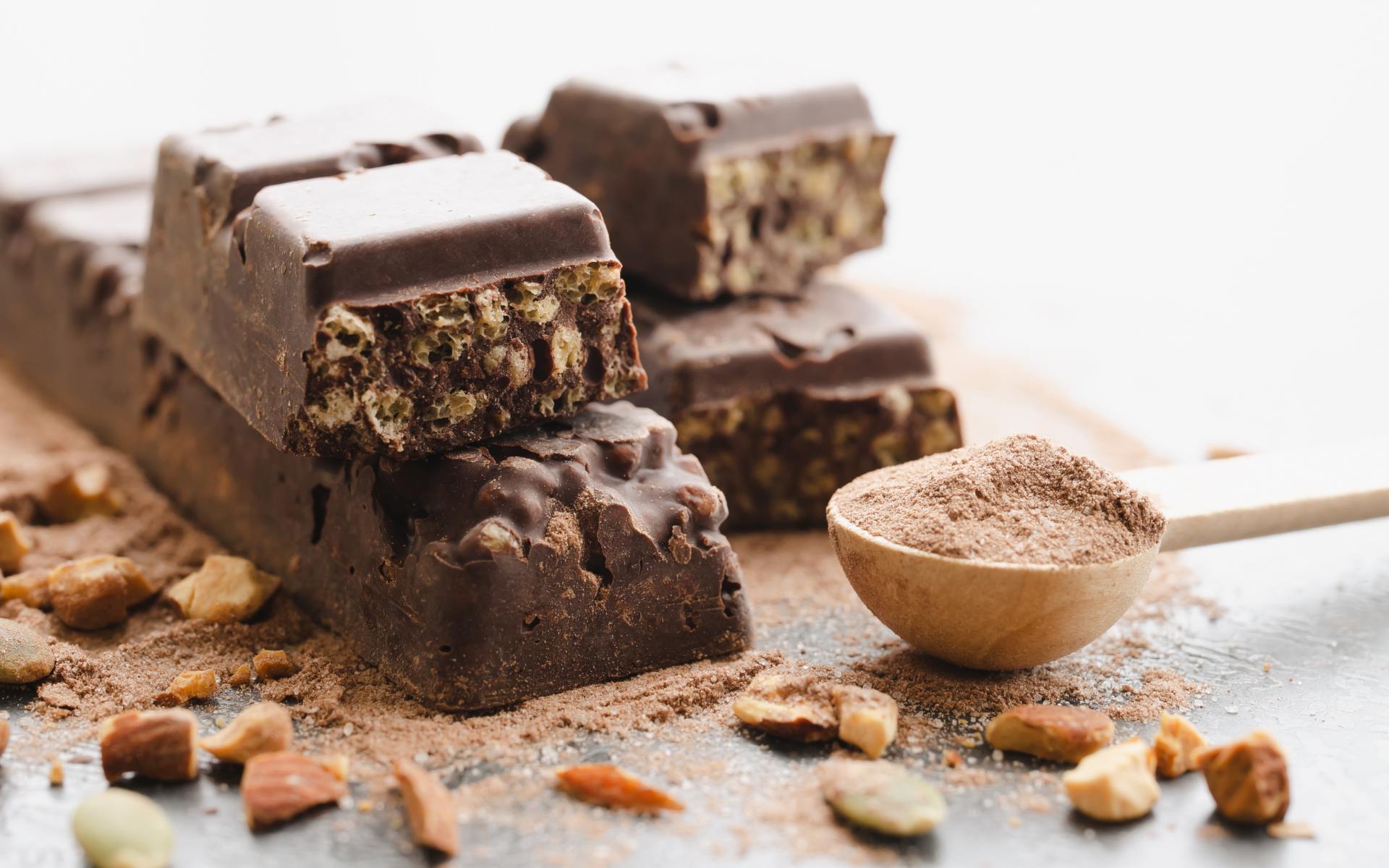
Once ingredients are approved, they are weighed and blended in controlled conditions. The mixture is processed to form a dough-like consistency. Depending on the type of bar, manufacturers may use baking, cold pressing, or extrusion methods.
Cold-pressed protein bars are popular because they preserve nutrients and maintain soft texture. Baked protein bars are often used for crunchy or cookie-style products.
After shaping, bars are cut into uniform sizes and coated if required. Many premium bars include chocolate coating or yogurt coating for taste enhancement.
The bars are then packaged in moisture-proof wrappers to maintain freshness. Packaging is critical because protein bars can harden or lose texture if exposed to air or humidity.
Finally, finished bars undergo quality testing for weight accuracy, protein content, shelf life stability, and microbial safety before being released for distribution.
Custom Formulation Services for Sports Nutrition Brands
One of the biggest advantages of working with a high protein snack bar manufacturer in India is access to custom formulation services. Custom formulations allow sports nutrition brands to create unique products that stand out from competitors.
Brands can customize protein content, flavors, textures, and ingredient combinations. Some brands focus on high-protein, low-carb bars for weight loss customers. Others develop energy bars with caffeine and adaptogens for endurance athletes.
Flavor innovation is also a major selling point. Popular flavors include chocolate peanut butter, cookies and cream, brownie, coffee, coconut, mixed berry, and mango almond.
Manufacturers also offer customization in bar size, packaging design, and nutritional positioning. This flexibility helps brands build strong identity and capture niche markets.
Clean Label and Sugar-Free Protein Bar Trends
The protein bar market is evolving toward clean label and low sugar formulations. Consumers now check ingredient lists carefully and prefer bars that contain natural ingredients without artificial additives.
Clean label protein bars focus on natural sweeteners, minimal preservatives, and recognizable ingredients. These bars are often marketed as healthy snacks rather than processed foods.
Sugar-free and low sugar protein bars are especially popular in weight management and diabetic-friendly categories. Manufacturers develop sugar-free formulations using sweeteners like stevia, monk fruit, or erythritol while maintaining good taste and texture.
High fiber protein bars are also trending, as fiber supports digestion and improves satiety. Brands often include prebiotic fibers, oats, and nuts to increase fiber content.
By offering clean label and sugar-free options, manufacturers help sports nutrition brands align with modern consumer preferences.
Packaging Solutions for High Protein Snack Bars
Packaging plays a major role in the success of protein bar products. Protein bars require moisture-proof and airtight packaging to maintain texture and shelf life.
Most bars are packed in individual flow-wrap packaging. This format is convenient for consumers and supports easy distribution in gyms, retail stores, and online platforms.
Some brands also sell multi-pack boxes containing multiple bars. Multi-pack packaging is popular in e-commerce sales and subscription models.
Manufacturers often provide custom packaging and labeling support, helping brands create attractive designs that highlight key selling points such as high protein, low sugar, gluten-free, vegan, or keto-friendly.
Premium packaging builds consumer trust and increases product appeal in competitive sports nutrition markets.
Quality Standards and Compliance in Protein Bar Manufacturing
Food safety and quality assurance are essential in protein bar manufacturing. A trusted high protein snack bar manufacturer in India follows strict hygiene and quality control standards.
Manufacturers must comply with FSSAI regulations and often follow international certifications such as ISO, HACCP, and GMP for food production. These standards ensure proper sanitation, contamination prevention, and batch traceability.
Quality testing includes microbial testing, nutritional analysis, shelf life testing, and packaging integrity testing. Brands should also ensure the manufacturer provides Certificates of Analysis and documentation for export requirements.
High-quality production protects consumer safety and strengthens brand credibility in global markets.
Export Opportunities for Protein Bars Manufactured in India
India offers strong export opportunities for sports nutrition brands due to competitive pricing and large-scale manufacturing capabilities. Protein bars manufactured in India are increasingly exported to markets such as the Middle East, Africa, Southeast Asia, and Europe.
Global demand for sports nutrition products is rising, and protein bars are among the most demanded functional food products. Indian manufacturers experienced in export compliance can support labeling requirements, documentation, and packaging standards for international markets.
For sports nutrition brands looking to expand globally, India provides a cost-effective and reliable manufacturing base.
How to Choose the Best High Protein Snack Bar Manufacturer in India
Selecting the right manufacturer is critical for product success. Brands should evaluate the manufacturer’s experience in sports nutrition products, production capacity, and formulation expertise.
It is important to check ingredient sourcing quality, testing facilities, and compliance certifications. Brands should also assess the manufacturer’s ability to customize flavors, protein sources, packaging, and nutritional profiles.
Low MOQ options are valuable for startups and D2C brands that want to test products before scaling. Reliable delivery timelines, transparent communication, and scalable production support long-term business growth.
A strong manufacturing partner ensures consistent product quality and helps brands build a successful protein bar business.