

Women’s Protein Powder Manufacturers for Active Lifestyle Nutrition Brands
Introduction
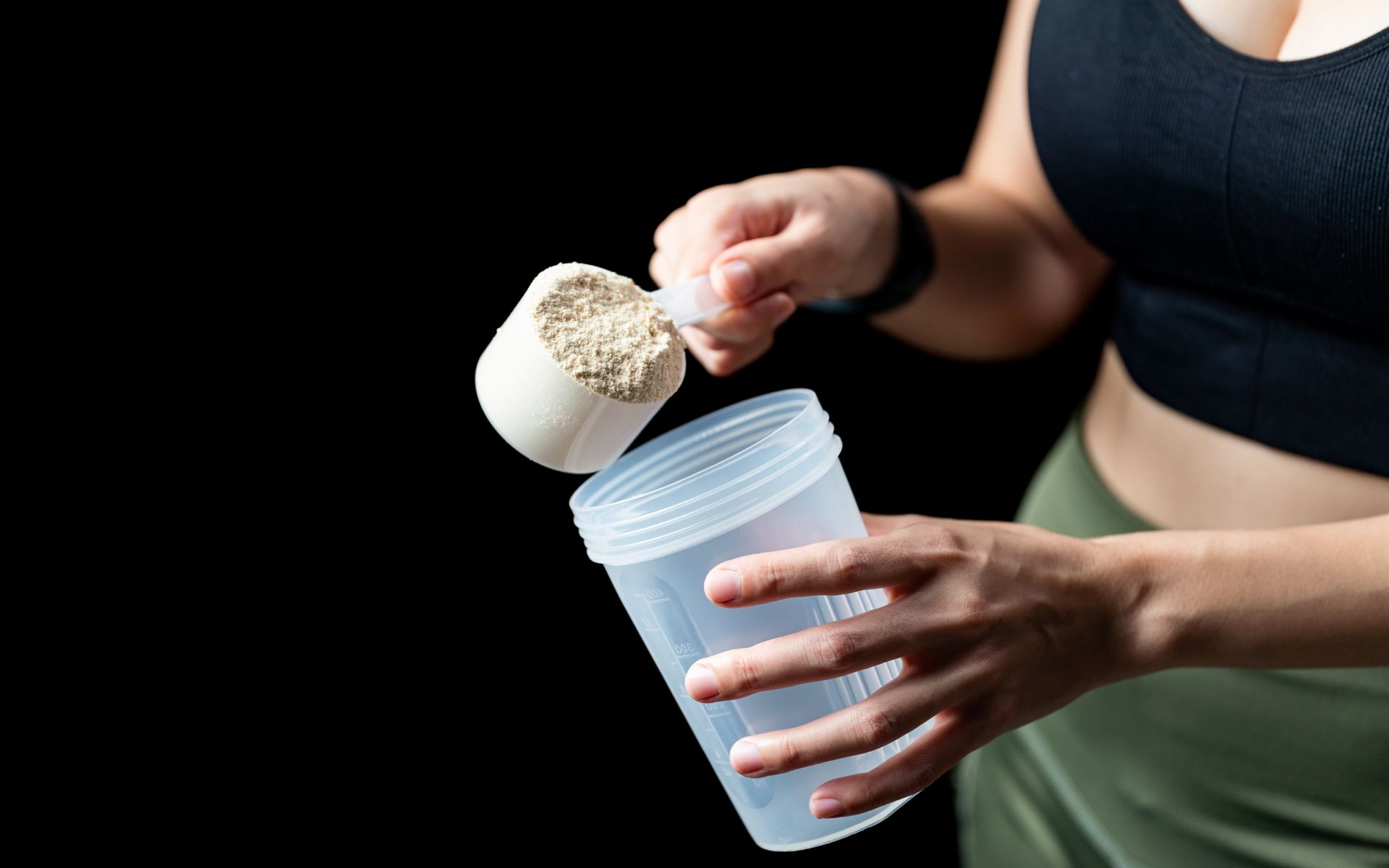
The demand for women’s protein powder is growing as more women focus on fitness, active lifestyles, balanced nutrition, muscle development, and everyday wellness. From gym enthusiasts and athletes to working professionals and women following plant-based diets, consumers are increasingly looking for convenient protein products that fit their nutritional preferences and daily routines. This growing demand has created opportunities for supplement companies to develop specialised protein powder products for women.
For brands planning to enter this expanding market, choosing reliable women’s protein powder manufacturers is an important step. A capable manufacturing partner can support product development, ingredient selection, formulation, manufacturing, quality checks, and packaging. Whether a business wants to launch whey protein, plant-based protein, or a customised protein blend, working with an experienced nutraceutical manufacturer can help turn a product concept into a market-ready supplement.
India has a growing nutraceutical and sports nutrition manufacturing sector, creating opportunities for startups, private-label businesses, fitness brands, and established supplement companies. Brands can explore custom formulations designed around different consumer preferences, including flavour, protein source, serving size, and packaging requirements.
Growing Demand for Women’s Protein Powder Supplements
Protein is an essential macronutrient that contributes to the maintenance and growth of body tissues. Women with active lifestyles may pay particular attention to their daily protein intake because of their fitness routines, dietary choices, and individual nutritional requirements.
The market for women-focused protein supplements is expanding beyond traditional bodybuilding products. Consumers are exploring protein powders for everyday nutrition, fitness routines, strength training, sports performance, and convenient meal planning.
Several factors are contributing to this demand:
- Increased participation of women in strength training, yoga, running, and fitness activities.
- Growing awareness of balanced nutrition and protein intake.
- Rising interest in convenient nutritional products for busy schedules.
- Demand for vegetarian, vegan, and dairy-based protein options.
- Expansion of online supplement stores and direct-to-consumer nutrition brands.
- Interest in specialised formulations with additional vitamins, minerals, and other ingredients.
For supplement businesses, these trends create opportunities to develop products for clearly defined consumer groups instead of relying on a single generic protein powder formulation.
What Makes Women’s Protein Powder Different?
Women’s protein powder does not necessarily require a completely different type of protein from products marketed to men. The nutritional requirements of each individual depend on factors such as age, activity level, body composition, dietary pattern, and health status.
However, brands can differentiate women-focused protein products through formulation choices, serving sizes, flavour profiles, packaging, and product positioning.
Some brands may focus on everyday protein supplementation, while others may develop products for active women, vegetarian consumers, or individuals who prefer convenient post-workout nutrition.
A women-focused protein powder may include:
- Whey protein concentrate or isolate.
- Plant-based protein sources.
- Protein blends containing multiple ingredients.
- Flavouring and sweetening systems.
- Vitamins and minerals, where appropriate.
- Optional ingredients selected for a specific product concept.
The formulation should be based on the intended consumer, product specifications, ingredient compatibility, and applicable food regulations. Brands should avoid unsupported claims that a protein powder is designed to balance hormones, burn fat, or produce specific body-shaping results.
Types of Women’s Protein Powder Products
Choosing the right protein category is one of the most important decisions during product development. Women’s protein powder manufacturers may work with different protein sources depending on the brand’s positioning and target audience.
1. Whey Protein Powder
Whey protein is derived from milk and is widely used in sports nutrition products. It contains all nine essential amino acids and is commonly selected for fitness-focused protein supplements.
Whey protein concentrate and whey protein isolate are two popular options. Concentrate generally contains more lactose, fat, and other milk components, while isolate is processed to provide a higher protein concentration.
Brands can consider whey-based formulations for consumers who prefer dairy protein and want a convenient option for their daily fitness routines.
2. Plant-Based Protein Powder
Plant-based protein is an important category for vegan, vegetarian, and dairy-free nutrition brands. Common protein sources include pea, rice, soy, pumpkin seed, and other plant-derived ingredients.
Different plant proteins have different amino acid profiles and functional properties. Combining complementary protein sources can help brands develop formulations with a broader amino acid profile.
Plant-based protein powders can be positioned for vegan fitness consumers, individuals avoiding dairy, and customers interested in plant-forward nutrition.
3. Whey Protein Isolate
Whey protein isolate is commonly selected for premium sports nutrition formulations. Its higher protein concentration makes it suitable for brands looking to develop products with a higher proportion of protein per serving.
The final formulation should consider solubility, taste, texture, processing requirements, and the intended nutritional specification.
4. Protein Blends
Protein blends combine two or more protein sources to achieve specific nutritional or functional objectives. Examples include whey and casein blends or combinations of pea and rice protein.
Blends can offer brands flexibility in developing products for different consumer preferences. Ingredient selection should account for taste, texture, amino acid composition, allergen information, and stability.
5. Collagen-Containing Protein Formulations
Some brands explore formulations that combine conventional protein ingredients with collagen peptides. These products need clear ingredient declarations and accurate nutritional positioning.
Collagen peptides are not nutritionally equivalent to complete proteins such as whey or appropriately formulated plant protein blends. Brands should communicate the role of each ingredient accurately and avoid presenting collagen as a direct replacement for a complete dietary protein source.
Important Ingredients Used in Women’s Protein Powder Manufacturing
Ingredient selection has a major impact on the nutritional profile, taste, texture, solubility, and overall quality of a protein supplement.
Protein Sources
The main protein ingredient determines the product’s nutritional foundation. Manufacturers may work with whey concentrate, whey isolate, pea protein, soy protein, rice protein, or other suitable ingredients according to the formulation requirements.
Vitamins and Minerals
Some women-focused protein products include selected vitamins and minerals. These may include vitamin D, vitamin B12, calcium, iron, magnesium, and zinc, depending on the intended product concept.
The quantity of each nutrient must be carefully calculated and assessed against applicable regulatory requirements. Brands should avoid adding ingredients simply for marketing appeal without considering their purpose and permitted usage.
Natural and Artificial Flavours
Flavour selection plays an important role in consumer acceptance. Popular options include chocolate, vanilla, strawberry, coffee, and other dessert-inspired flavours.
The flavour system should work well with the selected protein source and remain consistent throughout the product’s shelf life.
Sweetening Ingredients
Brands can explore different sweetening systems based on their positioning and regulatory requirements. These may include sugar, permitted non-nutritive sweeteners, or other suitable alternatives.
A low-sugar or no-added-sugar product should only be marketed using claims that meet the relevant legal definitions and labelling requirements.
Functional Ingredients
Depending on the formulation, brands may consider ingredients such as fibre, selected plant extracts, or other permitted nutritional components. Their inclusion should be supported by formulation objectives, safety considerations, ingredient compatibility, and regulatory review.
Custom Women’s Protein Powder Formulation
Custom formulation allows supplement brands to develop products that reflect their target audience and market positioning. Instead of launching a generic protein powder, businesses can create a product with a specific protein source, flavour, nutritional profile, and packaging format.
The development process generally begins with understanding the brand’s requirements.
Important formulation considerations include:
Protein content per serving: The desired protein quantity should be established according to the product concept, serving size, and nutritional targets.
Protein source: Brands should decide whether they want whey protein, plant-based protein, or a combination of suitable ingredients.
Taste and texture: Protein powders should offer an acceptable mouthfeel and flavour. Ingredient selection and processing can influence smoothness, foaming, and mixability.
Solubility and dispersibility: The powder should mix appropriately in the recommended liquid or food application.
Sweetness profile: The sweetening system should complement the protein source and selected flavour.
Nutritional specifications: All declared nutritional values should be supported by appropriate formulation calculations and testing.
Packaging requirements: Packaging should protect the powder from moisture and other environmental factors that may affect product quality.
A structured development process helps brands evaluate the formulation before moving into commercial production.
Private Label Women’s Protein Powder Manufacturing
Private-label manufacturing provides an opportunity for businesses to launch protein supplements under their own brand name without establishing a complete manufacturing facility.
This model can be suitable for fitness companies, supplement startups, wellness businesses, online retailers, distributors, and established nutrition brands.
A private-label women’s protein powder project may involve:
- Selecting an appropriate protein source.
- Developing or customising the formulation.
- Choosing flavour and sweetness options.
- Finalising nutritional specifications.
- Reviewing packaging formats.
- Conducting required quality checks.
- Preparing compliant labels and product information.
- Planning production and product delivery.
Before selecting a private-label partner, businesses should clarify minimum order quantities, ingredient sourcing, testing arrangements, lead times, documentation, packaging options, and ownership of custom formulations.
Women’s Protein Powder Manufacturing Process
A reliable manufacturing process is important for maintaining product consistency and meeting the agreed product specifications. The exact process depends on the formulation, equipment, ingredient characteristics, and packaging requirements.
1. Product Planning and Formulation
The first stage involves understanding the brand’s target market, protein source, serving size, flavour preferences, nutritional requirements, and product positioning.
The manufacturer and brand can review the proposed formulation and determine whether the ingredients are suitable for the intended product.
2. Ingredient Sourcing
Protein powders require suitable raw materials that meet defined quality specifications. Ingredient documentation, supplier evaluation, identity checks, and other relevant quality procedures help support material traceability.
3. Raw Material Inspection
Incoming ingredients should be checked according to the manufacturer’s quality procedures. Depending on the ingredient and applicable requirements, checks may include identity, appearance, moisture, microbiological parameters, and other relevant specifications.
4. Blending and Processing
The approved ingredients are weighed and blended according to the batch formulation. Appropriate processing controls help achieve uniform distribution of protein, flavours, sweeteners, and other ingredients.
5. Quality Testing
Finished products should be assessed against established specifications. Testing may include protein content, moisture, microbiological quality, sensory characteristics, and other relevant parameters.
6. Packaging and Labelling
The finished powder is packed into the selected packaging format. Common options include jars, tubs, pouches, and other suitable containers.
Labels should provide accurate ingredient information, nutrition declarations, allergen details, serving instructions, storage guidance, and other mandatory information.
7. Finished Product Release
Before distribution, the finished batch should undergo the required quality review and release procedures. Documentation and traceability support responsible product management.
Quality Standards in Women’s Protein Powder Manufacturing
Quality is a major consideration when selecting a nutraceutical or sports nutrition manufacturing partner. Brands should evaluate the manufacturer’s quality systems rather than relying only on marketing claims.
Important areas to review include:
Raw material quality: Protein ingredients should meet defined specifications and have appropriate supporting documentation.
Protein content verification: The declared protein content should be supported by suitable analytical methods and testing.
Microbiological quality: Finished products should meet applicable microbiological requirements.
Heavy metal and contaminant controls: Risk-based testing and supplier controls should be considered according to the ingredient profile and regulatory requirements.
Allergen management: Dairy, soy, and other allergens must be appropriately controlled and declared.
Batch consistency: Manufacturing procedures should support consistent taste, texture, appearance, and nutritional specifications.
Stability and shelf life: Shelf-life claims should be supported by suitable stability information and packaging considerations.
Brands should also confirm the relevant licences, certifications, testing arrangements, and regulatory compliance status of the manufacturing facility before entering into a commercial agreement.
Packaging Options for Women’s Protein Powder
Packaging affects product protection, storage, transportation, convenience, and brand presentation. The right option depends on the target market, serving size, price positioning, and distribution channel.
Popular packaging formats include:
- Plastic jars and tubs: Commonly used for larger protein powder packs.
- Stand-up pouches: Suitable for flexible packaging and different pack sizes.
- Resealable pouches: Offer convenient storage after opening.
- Single-serving sachets: Useful for sampling, travel, and portion-controlled use.
- Bulk packaging: May be considered for specific business-to-business requirements.
Packaging materials should provide appropriate protection against moisture and environmental exposure. The selected packaging should also be compatible with the product’s shelf-life requirements.
Why Supplement Brands Should Choose an Experienced Manufacturer
Selecting an experienced manufacturing partner can make product development and commercial planning more manageable. A manufacturer should be able to explain its capabilities, quality procedures, production process, and documentation requirements clearly.
Brands should evaluate potential partners based on the following factors:
- Experience with protein powder and nutraceutical formulations.
- Availability of suitable manufacturing and blending facilities.
- Raw material sourcing and supplier qualification procedures.
- Quality control and testing arrangements.
- Custom formulation and flavour development capabilities.
- Packaging and labelling support.
- Batch documentation and traceability.
- Clear communication about MOQ, pricing, and production timelines.
Businesses should request relevant documentation and samples where available. It is also important to confirm whether the manufacturer can produce the exact protein format and formulation required by the brand.
Women’s Protein Powder Market Opportunities in India
India offers opportunities for businesses interested in developing protein supplements for women. Increasing fitness awareness, online shopping, gym participation, and interest in convenient nutrition products are supporting the broader sports nutrition category.
Brands can explore different market segments, including:
- Everyday protein powder for active women.
- Whey protein for gym and strength-training consumers.
- Vegan protein powder for plant-based nutrition brands.
- Premium protein blends for specialised fitness audiences.
- Convenient protein sachets for working professionals.
- Flavoured protein products for consumers seeking variety.
However, successful product development requires more than choosing a popular ingredient. Brands need a clear target audience, a differentiated formulation, reliable quality, compliant product claims, and an effective distribution strategy.
How Fermentis Life Sciences Supports Supplement Manufacturing
Fermentis Life Sciences works in the nutraceutical and dietary supplement manufacturing sector, supporting businesses interested in developing and producing supplement products. Brands exploring protein powder manufacturing can visit the company’s website to learn more about its manufacturing services and discuss their specific product requirements.
For businesses planning a women-focused protein supplement, important discussion points may include the preferred protein source, nutritional specifications, flavour profile, packaging format, order quantity, and required documentation.
Before finalising a project, brands should contact Fermentis Life Sciences to confirm current capabilities for the exact protein formulation, manufacturing requirements, minimum order quantity, testing, and packaging options.
Explore Fermentis Life Sciences to learn more about nutraceutical manufacturing services. Businesses interested in powder-based supplement production can also explore the Powder Manufacturers in India service page.
Future Trends in Women’s Protein Powder Products
The women’s protein powder category is likely to continue evolving as brands respond to changing consumer preferences and new product development opportunities.
Plant-Based Protein Innovation
Demand for vegan and dairy-free products is encouraging brands to explore pea, rice, soy, and blended plant protein formulations.
Convenient Single-Serve Products
Sachets and portable packs can make protein powder easier to carry and prepare, particularly for consumers with busy schedules.
Cleaner Ingredient Positioning
Some consumers prefer shorter ingredient lists, familiar ingredients, and transparent product information. Brands may consider this preference while developing flavours and sweetening systems.
Personalised Nutrition Concepts
Products designed for specific dietary preferences, activity levels, and consumer groups may create opportunities for differentiated product ranges. Personalisation should be based on sound nutritional principles rather than unsupported health promises.
Premium Protein Blends
Brands may explore combinations of protein sources, flavours, and selected additional nutrients to create products with distinct nutritional and sensory characteristics.
Conclusion
The growing interest in fitness, balanced nutrition, and convenient supplementation is creating opportunities for brands to enter the women’s protein powder market. From whey protein and plant-based blends to customised flavours and convenient packaging, businesses can develop products for a wide range of active lifestyle consumers.
Choosing reliable women’s protein powder manufacturers is essential for developing a consistent, well-formulated, and market-ready product. Brands should evaluate ingredient quality, formulation expertise, manufacturing processes, testing arrangements, packaging options, and regulatory compliance before selecting a manufacturing partner.
With careful product planning and the right manufacturing support, supplement companies can build differentiated protein powder products for women’s fitness and everyday nutrition markets in India and beyond.
Frequently Asked Questions
1. What are women’s protein powder manufacturers?
Women’s protein powder manufacturers are companies involved in producing protein-based nutritional supplements marketed toward women. They may work with whey protein, plant-based protein, or customised blends, depending on their manufacturing capabilities and the brand’s requirements.
2. Can brands develop custom women’s protein powder formulations?
Yes, custom formulations may be developed around protein content, protein source, flavour, sweetness, serving size, and packaging. The final formulation should be evaluated for ingredient compatibility, nutritional accuracy, safety, and regulatory compliance.
3. Which protein sources are commonly used in women’s protein powders?
Common protein sources include whey concentrate, whey isolate, pea protein, soy protein, rice protein, and blended plant proteins. The most appropriate choice depends on the target consumer, dietary preferences, nutritional specifications, and product positioning.
4. Is plant-based protein powder suitable for women?
Plant-based protein powder can be an option for women who follow vegan or vegetarian diets or prefer to avoid dairy. Brands should select suitable protein sources and consider the overall amino acid profile of the formulation.
5. Can a supplement brand launch private-label women’s protein powder in India?
Private-label manufacturing can help businesses launch protein powder products under their own brand name. Before starting, brands should confirm formulation options, minimum order quantities, testing, packaging, documentation, and applicable regulatory requirements with the manufacturer.
6. What should brands check before selecting a protein powder manufacturer?
Brands should review manufacturing capabilities, ingredient sourcing, quality control procedures, protein testing, allergen management, stability support, packaging options, documentation, and regulatory compliance. They should also confirm the manufacturer’s ability to produce the exact formulation required.