


Low MOQ Supplement Manufacturing for Startups and D2C Brands
Introduction to Low MOQ Supplement Manufacturing
The nutraceutical and dietary supplement industry offers significant opportunities for startups, entrepreneurs, fitness businesses, and direct-to-consumer (D2C) brands. As consumers explore products such as multivitamins, protein powders, creatine supplements, herbal formulations, collagen products, and gummy vitamins, new businesses are looking for practical ways to introduce their own supplement brands.
However, launching a supplement business can require investment in product development, ingredients, manufacturing, packaging, quality testing, marketing, and distribution. Large minimum order quantities can create additional challenges for businesses that are testing a new product or operating with limited initial capital. This is where low MOQ supplement manufacturing becomes an important consideration.
MOQ stands for Minimum Order Quantity. It refers to the smallest order a manufacturer accepts for a particular product or production run. Low MOQ supplement manufacturing allows eligible businesses to explore smaller production batches, subject to the manufacturer’s capabilities, product requirements, and commercial terms.
For startups and D2C brands, working with an appropriate supplement manufacturing partner can make product planning more manageable. Businesses can evaluate customer demand, refine their product positioning, and build a product portfolio without immediately committing to large volumes.
Fermentis Life Sciences is a potential contact for businesses exploring nutraceutical product development and manufacturing. Startups should confirm available product formats, minimum order quantities, development services, and production capabilities directly before making investment decisions.
What Is Low MOQ Supplement Manufacturing?
Low MOQ supplement manufacturing refers to producing supplements at a relatively small minimum order quantity compared with the volumes required by some conventional manufacturing arrangements. The actual definition of “low MOQ” varies by manufacturer, dosage format, ingredient combination, packaging type, and production process.
For example, a straightforward powder formulation may have different production requirements from a complex gummy, softgel, or multi-ingredient capsule product. Specialised raw materials, customised packaging, tooling, and testing requirements can also affect the smallest commercially practical batch size.
Low MOQ does not necessarily mean that a manufacturer can produce any product in very small quantities. Instead, it describes a manufacturing arrangement in which the order size is better aligned with the needs of smaller businesses or early-stage brands.
Before selecting a supplier, businesses should request a clear explanation of the MOQ for the finished product, packaging components, and any custom ingredients. Some suppliers may offer a smaller production run using an existing formulation while requiring larger quantities for a fully customised product.
Why Startups Prefer Low MOQ Supplement Manufacturing
Lower Initial Inventory Commitment
One of the main reasons startups consider low MOQ supplement manufacturing is the ability to limit their initial inventory commitment. Large orders can tie up working capital before a business has established consistent demand.
A smaller production run may help a business introduce a product while maintaining greater flexibility for marketing, customer acquisition, and other operating expenses. It can also reduce the risk of holding excess stock if the product does not perform as expected.
However, lower order quantities do not automatically guarantee lower total costs. Per-unit manufacturing costs may be higher for smaller batches, so businesses should compare the full economics of each option.
Product and Market Testing
New supplement brands often need to determine whether their product concept appeals to a specific customer group. Low MOQ manufacturing can support an initial commercial launch that helps the business evaluate customer feedback, repeat purchases, and demand.
For example, a fitness startup might introduce a creatine monohydrate powder before expanding into pre-workout supplements or protein blends. A wellness brand might begin with a multivitamin product before considering additional formats.
Any test launch should still meet applicable quality and regulatory requirements. Small production quantities should never be used as a reason to compromise product safety, labelling, or documentation.
Greater Flexibility for New Brands
Startups frequently change their packaging, positioning, pricing, or product range as they learn more about their customers. Smaller production commitments can make it easier to plan future product revisions, provided the changes are agreed upon with the manufacturer.
This flexibility can be particularly valuable for businesses operating through online stores, social media, fitness communities, and other D2C channels.
Easier Product Portfolio Planning
Rather than investing heavily in a large quantity of one product, an eligible business may prefer to launch a focused range in stages. For example, a sports nutrition brand could begin with creatine powder and later introduce electrolyte products or protein supplements.
Each product should be evaluated separately because the MOQ and manufacturing requirements may vary considerably between formulations.
Types of Supplements Suitable for Low MOQ Projects
The suitability of a low MOQ arrangement depends on the product and the manufacturing partner. The following categories are worth discussing with prospective manufacturers.
1. Powder Supplements
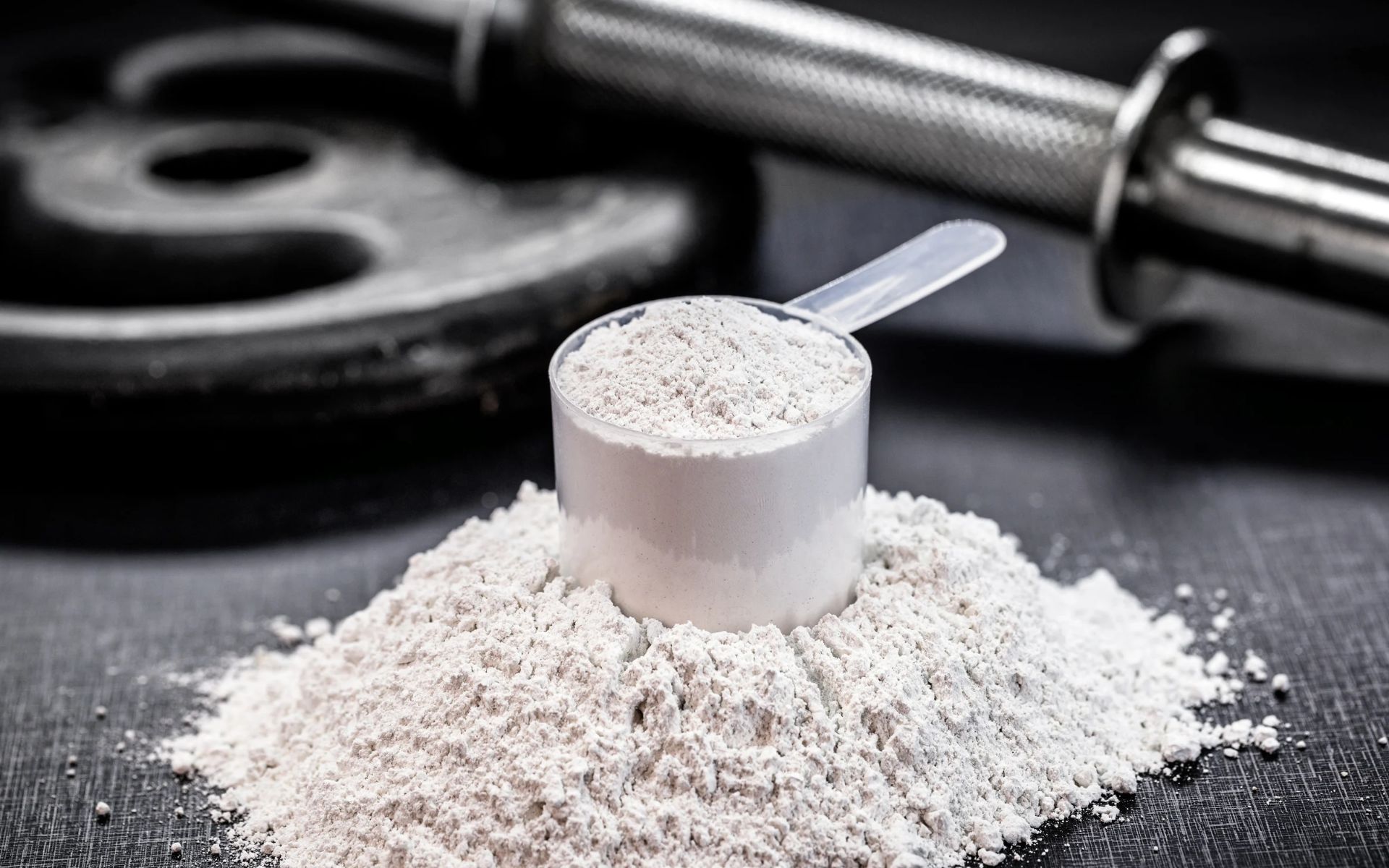
Powder products may include protein powders, creatine monohydrate, electrolyte blends, selected vitamin and mineral powders, and other sports nutrition formulations.
A simple formulation using readily available ingredients may be easier to plan for a smaller batch than a complex blend requiring multiple specialised ingredients. Flavour development, blending requirements, and packaging choices can affect the final MOQ.
Brands should confirm whether the manufacturer offers tubs, pouches, jars, or single-serving sachets and whether each packaging format has separate minimum quantities.
2. Capsule Supplements
Capsules are used for many vitamin, mineral, herbal, and other nutraceutical formulations. Their production requirements depend on the ingredients, capsule size, serving instructions, and packaging configuration.
A brand considering private-label capsules should ask whether an existing formulation is available or whether a new formulation must be developed. Custom ingredients and specialised capsule materials may influence minimum order requirements.
3. Tablet Supplements
Tablets can be suitable for selected multivitamin, mineral, and other supplement formulations. Manufacturing may require formulation development, compression setup, in-process controls, and appropriate testing.
Custom tablet shapes, coatings, colours, and specialised ingredients can add complexity. Startups should compare the cost of an existing suitable formulation with the cost of developing a fully customised product.
4. Gummy Supplements
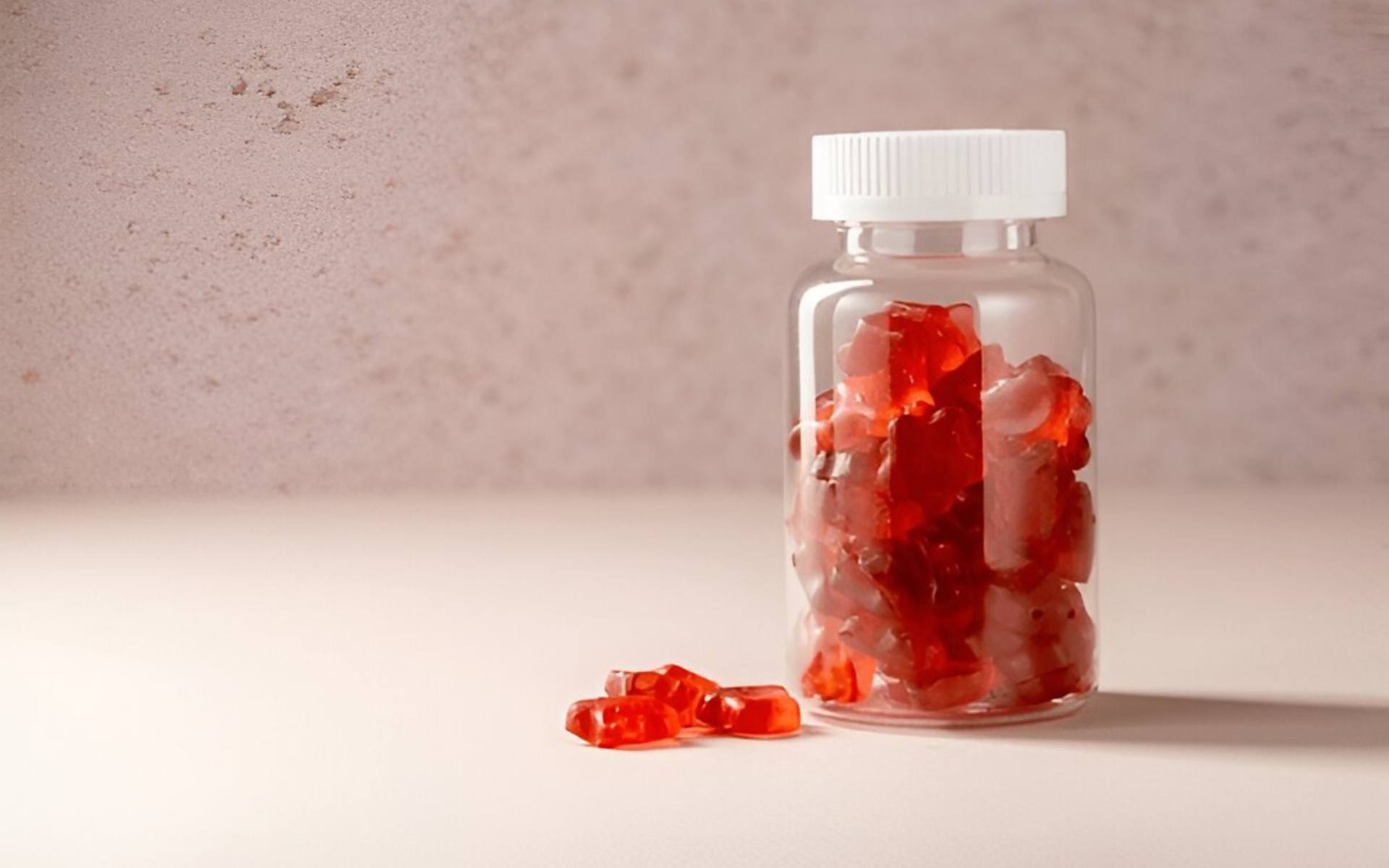
Gummy vitamins and functional gummies offer a distinctive format for certain nutritional products. However, gummy manufacturing can involve specialised equipment, flavour development, moulding, cooling, moisture control, and packaging considerations.
Consequently, gummy products may have different minimum order requirements from powders or conventional tablets. Businesses interested in low MOQ gummy manufacturing should confirm the available production options before finalising their business plan.
5. Softgels and Liquid Supplements
Softgels and liquid supplements can offer opportunities for brands seeking differentiated product formats. These products may require specialised manufacturing equipment, formulation controls, filling processes, and packaging.
Their feasibility for a low MOQ project depends on the manufacturer, ingredient specifications, and packaging requirements. Businesses should obtain a product-specific quotation instead of assuming that all dosage forms can be produced at the same minimum quantity.
Private Label vs Custom Supplement Manufacturing
Understanding the difference between private-label and custom supplement manufacturing can help startups choose an appropriate route to market.
Private-label manufacturing may allow a business to select an existing formulation and market it under its own brand, subject to the manufacturer’s offering and applicable requirements. This approach can reduce the amount of formulation development needed before launch.
Custom supplement manufacturing involves developing a product around specific requirements, such as ingredient combinations, serving sizes, flavours, or other formulation characteristics. It may provide greater differentiation but can require additional development time, testing, and investment.
For startups, an existing suitable formulation may be a practical starting point when it meets the product concept and regulatory requirements. A custom formulation may be more appropriate when the brand has a clear reason to differentiate its product.
In both cases, the business should confirm formulation ownership, ingredient sourcing, labelling responsibilities, quality specifications, and any restrictions on changing suppliers.
How the Low MOQ Supplement Manufacturing Process Works
Step 1: Define Your Product Concept
Begin by identifying the target audience, product category, intended ingredients, dosage format, packaging preferences, and expected selling price.
A clear product brief helps manufacturers assess feasibility and provide more useful quotations. It also reduces the risk of making late changes that increase cost or delay production.
Step 2: Select a Suitable Formulation
Decide whether an existing formulation or a customised product is more appropriate. Review ingredient specifications, intended serving quantities, taste requirements, product stability, and the proposed label.
All ingredients must be suitable for the intended product category and comply with the applicable regulations in the target market.
Step 3: Confirm the MOQ and Commercial Terms
Ask the manufacturer for the minimum order quantity for the finished supplement. Also confirm whether the MOQ applies separately to ingredients, labels, bottles, cartons, pouches, or other packaging components.
Request details of development charges, sample costs, production fees, testing, packaging, freight, payment terms, and estimated lead times.
Step 4: Review Samples and Specifications
Where sample development or product samples are available, review the product against the agreed specifications. Depending on the product, relevant factors may include taste, appearance, serving size, mixability, capsule characteristics, or packaging suitability.
Samples should not be treated as a substitute for finished-batch quality testing.
Step 5: Approve Packaging and Labelling
Packaging should protect the product and support its intended shelf life. Labels must accurately describe the product and comply with the applicable regulatory requirements.
Brands should review ingredient declarations, serving instructions, mandatory warnings, claims, batch information, and other required label details before production.
Step 6: Manufacturing and Quality Control
Once the relevant specifications, materials, and artwork are approved, the product can proceed through the agreed production process.
Manufacturing controls and finished-product testing should be appropriate to the formulation and product category. The finished goods should be released only after the required quality procedures have been completed.
Step 7: Launch and Monitor Customer Demand
After receiving the finished product, the brand can begin its planned launch through its website, marketplaces, retail partners, or other channels.
Customer feedback, repeat orders, product returns, and inventory movement can help the business evaluate performance and plan future production quantities. Any product complaints or quality concerns should be handled through an appropriate documented process.
Factors That Affect Low MOQ Supplement Manufacturing Costs
Low MOQ supplement manufacturing costs vary according to product complexity and order size. Businesses should assess the total project cost rather than comparing unit prices alone.
Ingredient Selection
Specialised ingredients, branded raw materials, complex combinations, and particular quality specifications may increase material costs. Ingredient availability can also influence lead times and purchasing requirements.
Product Format
Powders, capsules, tablets, gummies, softgels, and liquids have different processing and packaging needs. Equipment setup, production capacity, and quality controls can affect the minimum commercially practical batch size.
Packaging and Branding
Custom-printed labels, specialised containers, sachets, cartons, seals, and other packaging components may have their own minimum order quantities. Even when the supplement itself can be produced in a small batch, customised packaging may require a larger commitment.
Testing and Product Development
Custom formulations may require additional development work, prototype trials, stability assessments, and testing. These costs should be clarified before the project begins.
Order Volume
Smaller production runs may have higher per-unit costs because setup and other fixed expenses are spread across fewer units. Larger batches may reduce some per-unit costs but increase the amount of capital tied up in inventory.
Startups should compare the expected sales rate, cash-flow requirements, storage conditions, and product shelf life when deciding how much to order.
How to Choose a Low MOQ Supplement Manufacturer in India
Selecting the right manufacturer is essential for building a reliable supplement brand. A low MOQ offer should be assessed alongside quality, transparency, technical capability, and commercial terms.
First, verify that the manufacturer can produce your intended dosage format and formulation. Ask about experience with similar products, ingredient sourcing, packaging options, production capacity, and available customisation.
Second, review the manufacturer’s quality systems. Request relevant information about raw material checks, manufacturing controls, finished-product testing, batch records, traceability, and complaint management.
Third, clarify the minimum order quantity and all associated costs. Ask whether the quoted MOQ applies to a complete finished product or whether separate minimums apply to labels, containers, and ingredients.
Fourth, assess communication and documentation. A suitable partner should clearly explain what is included in the quotation, what remains the brand’s responsibility, and which services are available.
Finally, review the applicable regulatory requirements. In India, health supplements and nutraceutical products must comply with the relevant Food Safety and Standards Authority of India requirements and other applicable rules. The specific requirements depend on the product category, ingredients, claims, and labelling.
Common Mistakes Startups Should Avoid
One common mistake is choosing a manufacturer based only on the lowest price or smallest advertised MOQ. A low quote may exclude development, testing, packaging, or other essential services.
Another mistake is launching too many products at once. Multiple formulations can increase complexity and divide marketing resources before the brand has established demand.
Startups should also avoid ordering custom packaging before confirming the final product specifications. Late formulation or label changes can create unnecessary costs and delays.
Unsubstantiated health claims are another risk. Supplement marketing should be accurate, evidence-based, and compliant with the rules applicable to the product and market.
Finally, businesses should not assume that a small batch eliminates the need for quality testing, regulatory review, or suitable product documentation. These remain important regardless of order size.
Why Consider Fermentis Life Sciences for Supplement Manufacturing?
Fermentis Life Sciences operates in the nutraceutical and supplement manufacturing sector and may be a potential contact for businesses exploring product development and manufacturing options.
Startups and D2C brands interested in working with Fermentis Life Sciences should share their product concept, preferred dosage format, target ingredients, packaging requirements, expected order quantity, and launch timeline. The company can then be contacted to confirm whether the required manufacturing arrangement is available.
Specific low MOQ availability, minimum production quantities, private-label options, formulation services, and production timelines should be verified directly. These details may differ across product formats and customised formulations.
For further information, visit the Fermentis Life Sciences website and enquire about the services relevant to your proposed supplement product.
Future Opportunities for Low MOQ Supplement Brands
The supplement market provides opportunities for businesses serving specific audiences, including fitness consumers, wellness customers, and people seeking convenient nutritional products. Low MOQ arrangements may help eligible brands test a focused product range before expanding into additional categories.
Potential opportunities include creatine powders, protein products, selected vitamin and mineral supplements, herbal formulations, gummies, and convenient single-serving products. Each product requires its own feasibility assessment, formulation review, and compliance checks.
Brands can improve their chances of building a sustainable business by researching their target market, choosing suitable products, maintaining transparent product information, and monitoring customer feedback.
The goal should not simply be to order the smallest possible quantity. It should be to find a production arrangement that balances manageable inventory, acceptable unit economics, consistent quality, and the ability to replenish products when demand grows.
Conclusion
Low MOQ supplement manufacturing can provide startups and D2C brands with a practical route to explore the nutraceutical market without immediately committing to large production volumes. It may support initial product launches, market testing, and gradual portfolio expansion when the manufacturer’s capabilities and commercial terms align with the business’s needs.
Before choosing a manufacturing partner, brands should evaluate the product format, formulation requirements, minimum order quantities, packaging commitments, testing, regulatory compliance, and total project cost. A clear product brief and transparent quotation can make the process more manageable.
Fermentis Life Sciences is a potential contact for businesses investigating nutraceutical manufacturing opportunities. Confirm its current low MOQ options and specific manufacturing capabilities directly before finalising a product plan.
Frequently Asked Questions
1. What is low MOQ supplement manufacturing?
Low MOQ supplement manufacturing refers to producing supplements at a relatively small minimum order quantity. The actual minimum varies by manufacturer, formulation, dosage format, packaging, and production requirements.
2. Is low MOQ supplement manufacturing suitable for startups?
It may be suitable for startups that want to test customer demand or introduce an initial product range. Businesses should still assess per-unit costs, quality requirements, packaging minimums, and expected sales before placing an order.
3. Which supplements can be produced with a low MOQ?
Potential options may include powders, capsules, tablets, gummies, softgels, and liquids, depending on the manufacturer’s equipment and services. Minimum quantities vary significantly across product categories.
4. What is the difference between private-label and custom supplement manufacturing?
Private-label manufacturing may use an existing suitable formulation marketed under the brand’s identity. Custom manufacturing involves developing a formulation around specific product requirements and may involve additional development costs and time.
5. How much does low MOQ supplement manufacturing cost in India?
There is no single standard price. Costs depend on ingredients, dosage format, order size, formulation complexity, packaging, testing, and other project-specific requirements. Request a detailed quotation for an accurate estimate.
6. Can D2C brands customise supplement packaging?
Custom packaging may be available depending on the manufacturer and order quantity. Printed labels, containers, pouches, sachets, and cartons may have separate minimum order requirements.
7. What should I check before selecting a supplement manufacturer?
Review manufacturing capabilities, quality procedures, raw material sourcing, finished-product testing, regulatory compliance, MOQ terms, pricing, lead times, and documentation.
8. How can I enquire about supplement manufacturing with Fermentis Life Sciences?
Visit Fermentis Life Sciences and contact the company with your proposed product, ingredients, dosage format, packaging preferences, and estimated order quantity. Confirm current capabilities and MOQ terms directly.