

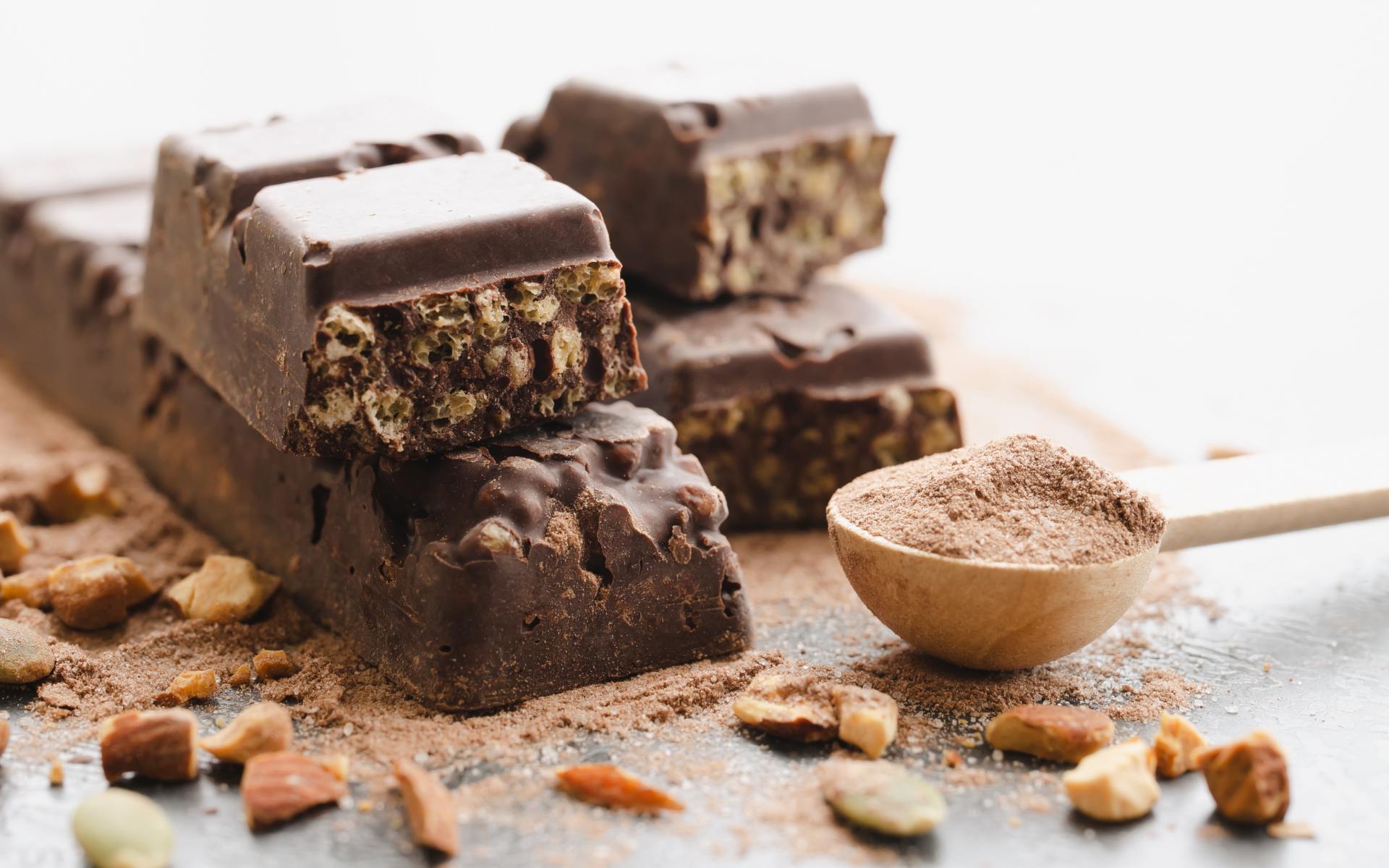
Private Label Energy Bar Manufacturing: From Formula Development to Packaging
The demand for convenient and functional nutrition products is creating strong opportunities for energy bar brands. Consumers today look for portable snacks that can support active lifestyles, busy schedules, workouts, travel, and everyday nutrition. This has made energy bars an attractive product category for sports nutrition companies, wellness brands, retailers, startups, and D2C businesses.
Private label energy bar manufacturing allows businesses to launch customized products under their own brand without establishing a dedicated manufacturing facility. From formula development and ingredient selection to production, quality checks, and packaging, an experienced energy bar manufacturer can support multiple stages of product development. This model can help brands turn an initial product idea into a market-ready nutrition bar.
Growing Demand for Energy Bars
Energy bars have evolved beyond traditional sports nutrition products. They are now consumed by fitness enthusiasts, athletes, office professionals, travelers, students, outdoor enthusiasts, and health-conscious consumers looking for convenient snacks.
Modern energy bars can be developed with ingredients such as oats, nuts, seeds, fruits, dates, grains, plant proteins, carbohydrates, fibers, and selected functional ingredients. Depending on the formulation, a brand can position its product as an energy bar, nutrition bar, sports bar, healthy snack bar, or functional snack.
This variety gives businesses opportunities to develop specialized products for different consumer groups and market segments.
What Is Private Label Energy Bar Manufacturing?
Private label manufacturing involves partnering with a specialized manufacturer to produce nutrition products that are sold under a brand’s own name. Instead of investing in manufacturing equipment and production infrastructure, the brand works with a manufacturing partner according to defined product specifications.
For energy bars, private label manufacturing can include formulation development, ingredient sourcing, production, quality control, bar formation, packaging, and finished-product preparation.
The brand can focus on product positioning, branding, marketing, sales, and distribution while the manufacturing partner manages the production side.
Formula Development for Energy Bars
Formula development is one of the most important stages of private label energy bar manufacturing. A successful formulation needs to balance nutritional objectives with taste, texture, appearance, stability, and manufacturing feasibility.
Brands can begin by defining the target consumer and desired product positioning. For example, a sports brand may want a high-energy bar for active consumers, while a wellness company may prefer a bar focused on clean-label ingredients, fiber, protein, or balanced nutrition.
The manufacturer can then evaluate suitable ingredients and develop a formulation around the brand’s requirements.
Ingredient Selection for Energy Bars
Energy bar formulations can contain a combination of carbohydrates, proteins, fats, fibers, fruits, nuts, seeds, grains, flavors, and other ingredients. The selection depends on the product’s nutritional profile and intended consumer.
Oats and grains can provide a base for certain bar formulations, while dates and dried fruits can contribute sweetness and texture. Nuts and seeds can add nutritional value and improve the sensory profile.
Brands may also explore plant-based protein sources such as pea protein, rice protein, or other suitable ingredients when developing vegan or vegetarian energy bars.
Custom Energy Bar Formulations
Custom manufacturing gives brands the opportunity to create products that are differentiated from standard energy bars. Custom formulations can be developed around specific protein levels, energy content, fiber, flavors, ingredient preferences, and consumer requirements.
For example, a fitness company could develop a high-protein energy bar, while a wellness brand could create a high-fiber snack bar. A vegan brand may choose plant-based ingredients, while a clean-label company may prioritize recognizable ingredients.
Customization can help businesses build products that align closely with their brand identity and target market.
High-Protein Energy Bars
Protein-focused energy bars are becoming increasingly relevant as consumers look for convenient sources of protein. Although traditional energy bars often emphasize carbohydrates and energy, modern products can combine protein, carbohydrates, and other nutritional components.
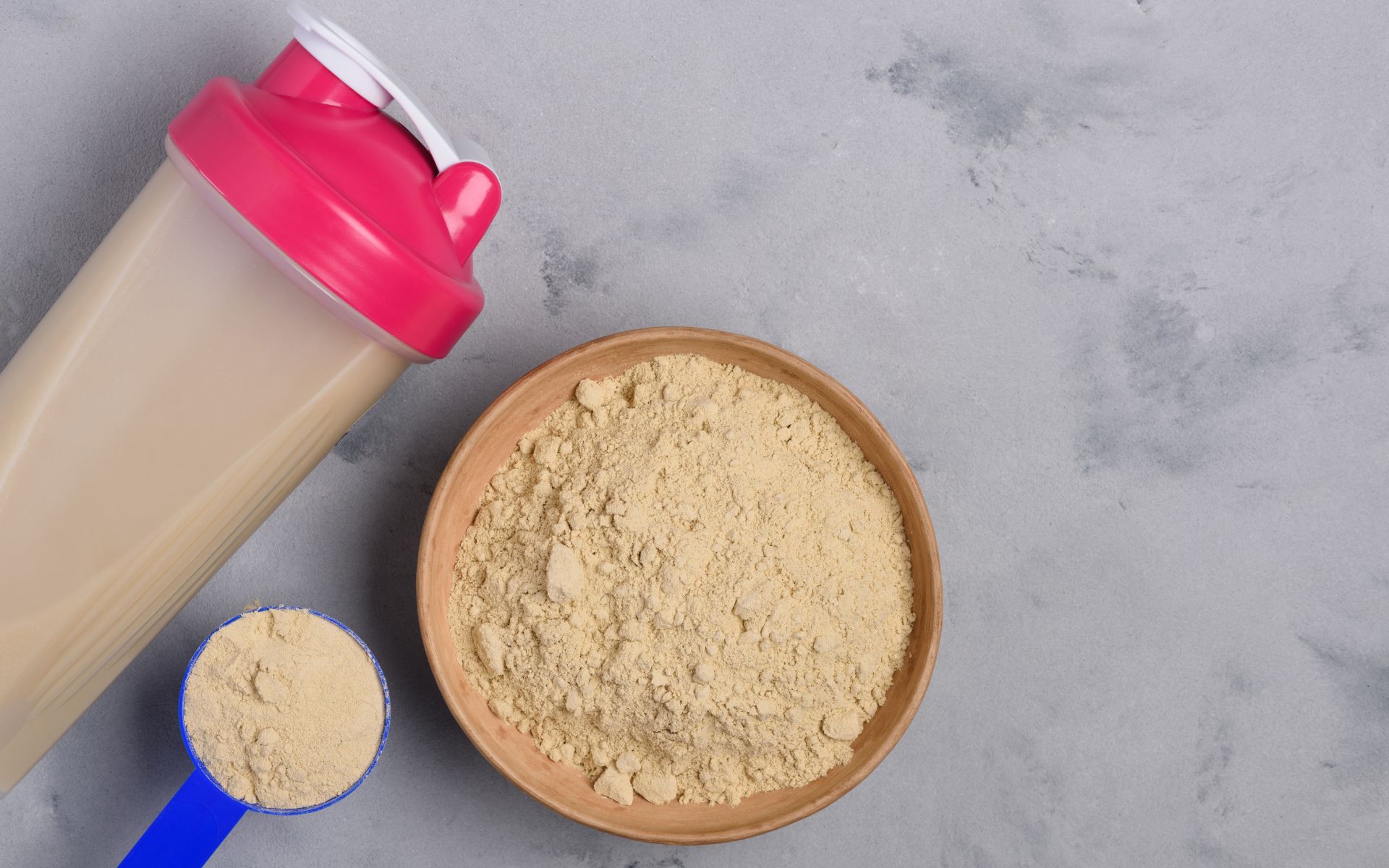
High-protein energy bars can be developed using whey protein, plant proteins, nuts, seeds, or blended protein sources depending on the product positioning.
These products can target athletes, gym users, fitness enthusiasts, and consumers seeking convenient protein-rich snacks throughout the day.
Plant-Based Energy Bar Manufacturing
Plant-based energy bars offer another opportunity for brands targeting vegan and vegetarian consumers. Manufacturers can develop bars using plant proteins, oats, nuts, seeds, fruits, grains, and other plant-derived ingredients.
Vegan energy bars can be positioned for sports nutrition, healthy snacking, active lifestyles, or general wellness.
For brands entering this category, working with experienced energy bar manufacturers in India can help simplify formulation development and commercial production.
Clean Label and Low-Sugar Energy Bars
Clean-label and reduced-sugar positioning can help brands appeal to health-conscious consumers. Businesses may explore formulations that use selected recognizable ingredients and reduced amounts of added sugar.
However, reducing sugar can affect texture, sweetness, moisture, and shelf stability. Therefore, formula development requires careful evaluation to ensure that the final product provides an appealing eating experience.
Manufacturers can help brands assess different formulation approaches based on their nutritional goals and target consumers.
Manufacturing Process for Private Label Energy Bars
Once the formulation has been finalized, the product moves into manufacturing. Depending on the formulation and manufacturing system, ingredients are prepared, blended, processed, formed into bars, cut or shaped, and prepared for packaging.
Production parameters need to be controlled carefully to maintain consistency in size, weight, texture, and appearance.
Quality checks throughout production can help ensure that the finished bars meet the agreed specifications. Manufacturing consistency becomes particularly important when a brand begins scaling from smaller production quantities to larger commercial orders.
Packaging Solutions for Energy Bars
Packaging protects energy bars while also supporting brand presentation. Individual wrappers are commonly suitable for portable snacks because they allow consumers to carry and consume bars conveniently.
Brands can also explore multipack packaging for retail shelves, online orders, gyms, sports stores, and subscription-based businesses.
Packaging selection should consider product characteristics, distribution conditions, shelf-life requirements, consumer convenience, branding, and applicable labeling requirements.
A professional private label energy bar manufacturer can coordinate the filling and packaging stages according to the product and brand specifications.
Private Label Energy Bars for Startups and D2C Brands
Private label manufacturing can be particularly useful for startups and D2C nutrition brands. Establishing an independent manufacturing facility can require significant investment in equipment, personnel, infrastructure, quality systems, and production management.
Working with a third-party manufacturer allows businesses to focus their resources on branding and market development while relying on an established production partner.
Startups can develop niche products for specific audiences, while established brands can use private label manufacturing to expand their existing nutrition portfolio.
Choosing an Energy Bar Manufacturer in India
Selecting the right private label energy bar manufacturer in India is an important business decision. Brands should evaluate the manufacturer’s formulation capabilities, ingredient sourcing, production capacity, quality processes, packaging options, scalability, and ability to understand the brand’s requirements.
Clear communication is also essential. Product specifications, ingredients, nutritional targets, packaging requirements, production expectations, and quality standards should be discussed before manufacturing begins.
A reliable manufacturing partnership can support consistent production as the brand grows.
Future of Energy Bar Manufacturing
The energy bar category is continuing to diversify. Consumers are increasingly interested in products that offer more than basic energy. Protein, fiber, plant-based nutrition, functional ingredients, clean-label positioning, and specialized nutrition are creating new opportunities for brands.
Future energy bar products may increasingly target specific consumer needs such as sports performance, everyday wellness, active aging, women’s nutrition, plant-based diets, and convenient meal support.
Brands that combine strong formulation with attractive flavors, convenient packaging, and clear positioning can create differentiated products in this competitive category.
Why Choose Fermentis Life Sciences?
Fermentis Life Sciences provides customized nutrition and supplement manufacturing solutions for businesses developing innovative health and wellness products. Brands interested in private label energy bar manufacturing can explore customized formulation and production solutions based on their product concept, target market, nutritional requirements, and packaging preferences.
From formula development and ingredient selection to manufacturing and packaging, an experienced manufacturing partner can help simplify the process of launching a new energy bar product.
Learn more about nutrition and supplement manufacturing solutions at Fermentis Life Sciences.